

























































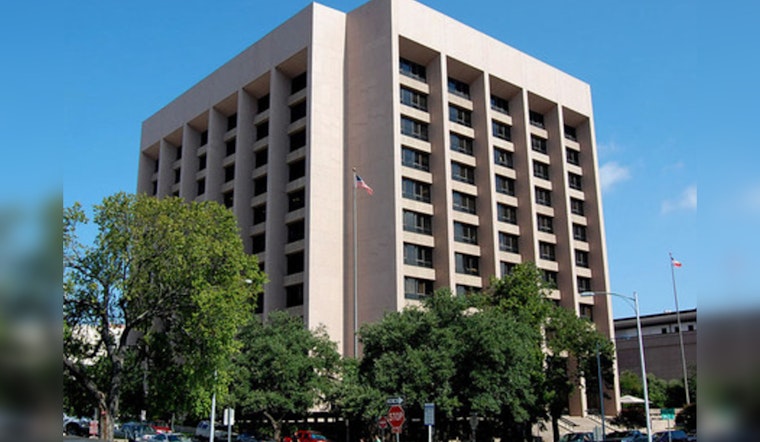
New Texas real estate agents in Austin and across the state have been stuck waiting weeks for their licenses after the Texas Real Estate Commission rolled out a new online system. Until those licenses are issued, they cannot legally list or show homes, which has meant lost income for rookies and last-minute roster shuffles for brokerages while agency staff wrestle with technical glitches. Applicants and brokers say the rocky launch exposed just how fragile the state’s licensing process can be when demand spikes.
One Austin agent, Isabel Burrato, told KVUE she passed her exam and was told to expect a license in about 10 business days. Instead, she waited more than two and a half months before the state finally issued her credentials. During that time, she said she could not legally work or host open houses, which cost her income. According to KVUE, her license has now been issued and she is back to hosting open houses in north Austin.
What Went Wrong With The REALM Portal
The Texas Real Estate Commission launched the Real Estate and Appraiser License Management Portal, known as the REALM Portal, in mid-December and warned there would be a brief early December window when online licensing services would go dark during the transition. According to the Texas Real Estate Commission, the new system is meant to modernize licensing and consolidate services into a single hub. That debut collided with heavy account activations and early traffic that bogged the system down, creating performance issues that staff are still fine-tuning.
At a February commission meeting and in media interviews, licensing officials acknowledged the rollout “impacted the agency’s ability to process applications as quickly as usual,” and licensing director Denise Sample said staff tried to process and review as many applications as possible before the switch, according to reporting by KVUE. Applicants whose records needed manual fixes or whose exams were taken after the December cutoff say they were left waiting for exam results and background checks to show up correctly in the new database.
How To Check Your Application And What To Do
The state’s appraiser board and real estate commission have posted detailed FAQs that walk applicants through how to create REALM accounts, link records using a PIN or state ID, and use the portal’s application tracker instead of repeatedly calling by phone. The Texas Appraiser Licensing and Certification Board notes that some automated messages can be safely ignored and urges users to follow the published troubleshooting steps while technical fixes continue.
Troubleshooting pages from the Texas Real Estate Commission also warn about an integration problem with Pearson VUE, the exam vendor, that has delayed exam results for tests taken on or after December 2. That lag has slowed license issuances while some parts of processing are handled manually. The commission’s REALM updates include guidance on sponsorship changes, status checks, and what documentation applicants should hold onto while the agency digs out from the backlog.
Legal Implications
Under state law, a person may not act as a broker or sales agent until the commission actually issues a license, so applicants who perform licensed work before receiving credentials could face enforcement actions, fines, or other penalties. The licensing requirement and related rules on eligibility and sponsorship are set out in the Texas Occupations Code.
TREC and TALCB say they are expanding phone capacity, posting regular status updates, and continuing to work through the stack of pending applications. They encourage applicants to create and link REALM accounts, rely on the application tracker, and keep copies of exam score reports and fingerprint receipts. If problems persist, their guidance directs users to the REALM FAQs from the Texas Appraiser Licensing and Certification Board and to [email protected] for additional help.
For now, newly licensed agents are being urged to build in extra time before accepting sponsor assignments or marketing themselves as active licensees, and brokers are planning around potential gaps in coverage while the agencies complete the transition. Officials say fixes are underway. The slowdown is a pointed reminder that when licensing software stumbles, people’s paychecks are often the first to feel it.




