

























































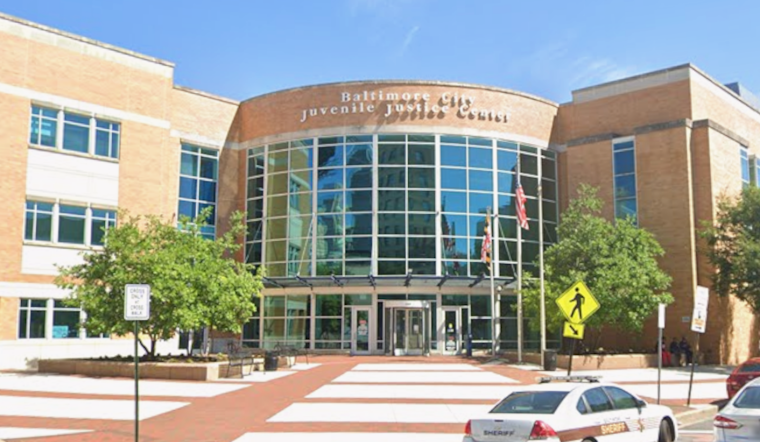
Pamela Chung, chief of the Juvenile Division in the Baltimore City state’s attorney’s office, is sounding the alarm on Maryland’s juvenile system, warning that it is not equipped to handle the most serious young offenders. She says many teens are stuck on long wait lists and funneled into a “one-size-fits-all” setup that cannot offer the individualized care politicians keep promising. Her concerns are surfacing just as lawmakers debate whether more violent cases should land in juvenile court instead of adult court.
Speaking on the "C4 and Bryan Nehman" radio program, Chung said that a rehab-focused juvenile system only works if the state backs it up with solid treatment options. "But to have a true rehabilitative system … you need appropriate, quality treatment services and programs. And unfortunately, at this juncture, DJS just does not deliver that," she told listeners, according to WBAL NewsRadio. She pointed to what she called a "massive wait list for programming" and warned that pending legislation would move "more serious, violent offenders into the juvenile system in a system where the Department of Juvenile Services doesn’t even have the resources to service these youth."
What the proposed change would do
Lawmakers and advocates are wrestling with a proposal long tied to Senate Bill 422, a measure that, in earlier versions, aimed to raise the age at which some youth can be automatically charged as adults and to start more cases in juvenile court, according to bill records on LegiScan. Supporters argue that starting cases in juvenile court can get kids into treatment sooner and cut down on the time and money spent processing them as adults. Skeptics counter that it could move more violent cases into a system that already looks stretched thin.
Watchdog findings sharpen the debate
An independent review by the Maryland Office of the Correctional Ombudsman, carried out through unannounced inspections, documented a host of problems, including staffing shortages, limited educational programming, unsanitary conditions, and even rodent sightings. Advocates have pointed to that report as proof that the system needs serious fixes before it takes on any more youth, according to reporting by WYPR. Prosecutors and some members of a key Senate committee have also cited the findings in recent hearings as evidence that the Department of Juvenile Services must stabilize basic operations before it is handed more serious cases.
DJS says it is rebuilding
The Moore administration has moved to change leadership at DJS and says the department is taking steps to fix shortfalls. Gov. Wes Moore named Betsy Fox Tolentino acting secretary last year, and the governor’s office cast the appointment as part of a broader effort to stabilize the agency. The Office of the Governor of Maryland highlighted Tolentino’s experience in juvenile operations, while prosecutors caution that leadership changes and one-time funding injections will not wipe out service backlogs overnight.
What lawmakers and prosecutors say
Sen. William C. Smith Jr., a leading voice for shifting some cases into juvenile court, argues that Maryland spends millions processing youth in the adult system and that keeping appropriate cases in juvenile jurisdiction would lead to better outcomes, according to reporting by The Daily Record. Opponents, including some law-enforcement groups, counter that without clear and measurable increases in DJS capacity, the change could slow down accountability and put new strain on local juvenile systems.
For now, Chung’s warning puts Baltimore’s prosecutors squarely in the middle of a statewide fight over juvenile justice. Lawmakers will have to decide whether the state can quickly build the staff, programs, and oversight that experts and advocates say are necessary before changing which kids are handled in the juvenile system.



