

























































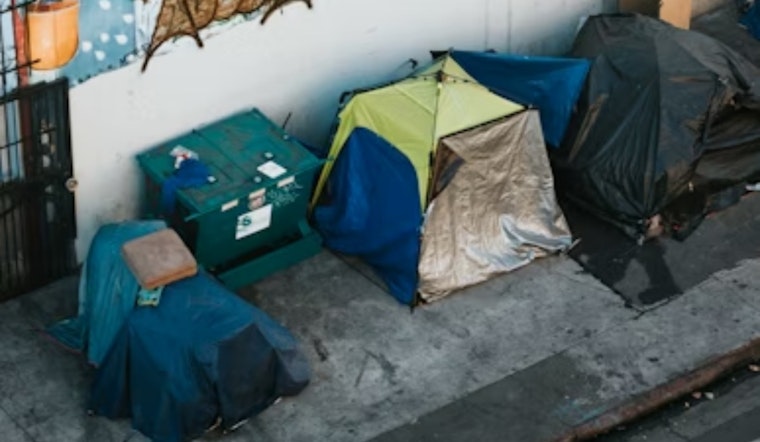
Caltrans says it removed nearly 600 homeless encampments and hauled away roughly 27,000 cubic yards of debris along state rights-of-way in the Bay Area between January 2025 and Feb. 1, 2026. The department’s tally shows Santa Clara County accounted for a large share, with 223 sites and about 11,000 cubic yards of material. State crews, contractors, and partner agencies carried out cleanups across the nine counties that make up Caltrans’ Bay Area district.
How Caltrans Describes The Cleanup Work
Caltrans has framed the encampment removals as part of its Clean California and routine maintenance efforts to keep highways safe and clear of hazardous waste. The department points to a statewide program that it says has removed millions of cubic yards of litter since 2021 and credits expanded staffing, grants and local partnerships with helping to scale removal operations in District 4 over the past year. These program-level details and statewide milestones are outlined by Caltrans.
Santa Clara’s Outsized Share Of The Sweeps
The agency’s latest Bay Area update, posted by Caltrans HQ, shows Santa Clara County generated roughly 11,000 cubic yards of debris from 223 cleanup sites, about 40% of the regional total. Caltrans’ social post did not include a full county-by-county breakdown, and the department did not provide an immediate count of the number of individuals rehoused as part of the operations.
From Jan. 2025 to Feb. 1 2026, Caltrans has removed nearly 600 homeless encampments & 27,000 cubic yds of debris (1225 garbage trucks full) in the 9 counties that comprise its Bay Area district, including 223 sites & 11,000 cubic yds of material in Santa Clara Co. alone. pic.twitter.com/L2ONl7n8pJ
— Caltrans HQ (@CaltransHQ) February 6, 2026
State Policy Shifts And A New Task Force
The surge in removals follows a statewide directive to prioritize encampments on state rights-of-way after Governor Gavin Newsom convened a SAFE task force to coordinate cleanups and connect people with services, according to the Governor’s Office. That enforcement push is unfolding in the shadow of a 2024 U.S. Supreme Court decision that gave municipalities broader authority to regulate public sleeping, a ruling civil-liberties groups warned could increase the risk of criminalizing people without housing, the ACLU said.
Local Fallout And Uncertain Outcomes
Local reporting on earlier clearings shows a mixed picture. Officials say sweeps are paired with outreach teams that offer storage for belongings and referrals to shelter, yet many people decline services and move elsewhere, leaving open questions about long-term impact. Coverage of a Cesar Chavez underpass cleanup documented those storage and shelter offers as well as the placement of boulders to deter future camping, while Caltrans District 4 materials describe the agency’s long-running litter-abatement and outreach programs. See reporting by the San Francisco Chronicle and District 4 information on litter efforts from Caltrans District 4.
What Comes Next On Bay Area Highways
Caltrans says the January 2025 to Feb. 1, 2026 figures reflect operations across all nine Bay Area counties in District 4 and that cleanups will continue as agencies coordinate maintenance and outreach. Advocates and service providers counter that the more important metric is whether these efforts translate into stable housing and services rather than repeated displacement from one roadside to another.


