

























































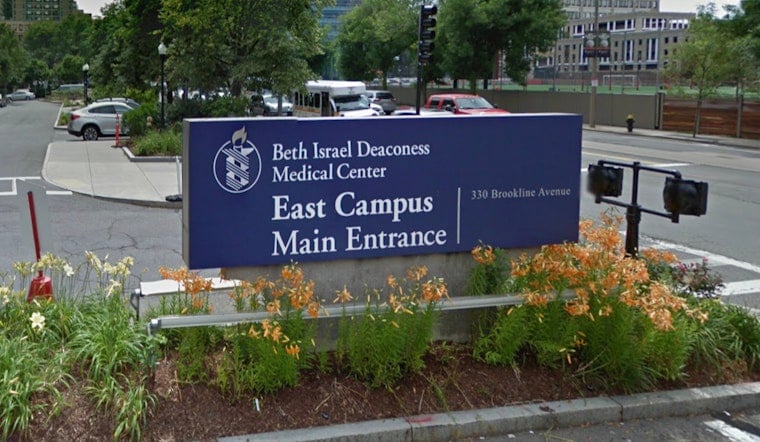
Beth Israel Deaconess Medical Center is turning routine mammograms into something more than a simple yes-or-no on cancer. The Boston hospital has started offering an artificial intelligence tool, Clairity Breast, that takes a standard screening mammogram and spits out a five-year breast cancer risk score.
What Clairity Does
Instead of ordering a separate test, Clairity runs on the same conventional screening mammogram most patients already get. The software analyzes subtle imaging features that can be hard for the human eye to pick up and returns a calibrated percentage risk of developing breast cancer over the next five years.
According to the company's materials, the model was trained on about 421,499 mammograms and externally validated on more than 120,000 exams to see how it performed across age, race and breast density (Business Wire). The device received U.S. FDA De Novo authorization last year, clearing a key regulatory hurdle before hospitals could start using it in everyday care (Medical Design & Development).
How Beth Israel Is Offering It
BIDMC says the Clairity assessment is now available through its BreastCare Center. Patients can get it either when a provider orders it or by requesting it when they show up for a routine screening mammogram.
The health system describes itself as the first academic medical center in the Northeast to offer the FDA-authorized test, and the vendor said in a press release that the first clinical patient at Beth Israel has already received a Clairity score (GlobeNewswire). Beth Israel Deaconess Medical Center and the company issued separate statements about how they are rolling the tool out.
What A High Score Could Lead To
Doctors say a higher Clairity score will not automatically mean a cancer diagnosis, but it can trigger more aggressive follow up. That might include supplemental MRI, earlier or more frequent screening, referrals for genetic counseling and detailed prevention conversations.
The Breast Cancer Research Foundation notes that image-based risk tools like Clairity are meant to flag risk that is not captured by family history or traditional risk models and to help steer limited resources toward the patients most likely to benefit (Breast Cancer Research Foundation).
Cost And Coverage
For now, most insurers do not cover the test, which means patients may be paying out of pocket. Axios reports the assessment runs roughly a couple hundred dollars. Clairity and BIDMC say they are pursuing coverage from the Centers for Medicare & Medicaid Services along with private insurers as the next step toward wider access (Axios).
Experts Urge Caution
Even with FDA clearance, professional societies and recent guidance have been clear that hospitals should not simply plug in an AI tool and walk away. Recommendations drawn from ACR and RSNA workshops, along with recent guidance in Radiology, emphasize local validation, transparent performance reporting and ongoing monitoring once systems are in real-world use. In other words, the hard part starts after the software is turned on.
For now, BIDMC patients who are curious about Clairity or wondering whether it makes sense for them are being told to raise it with their provider when scheduling or at the time of a screening mammogram. Hospital and company statements say the tool is being introduced gradually while clinical teams fine tune workflows and push for reimbursement.





