

























































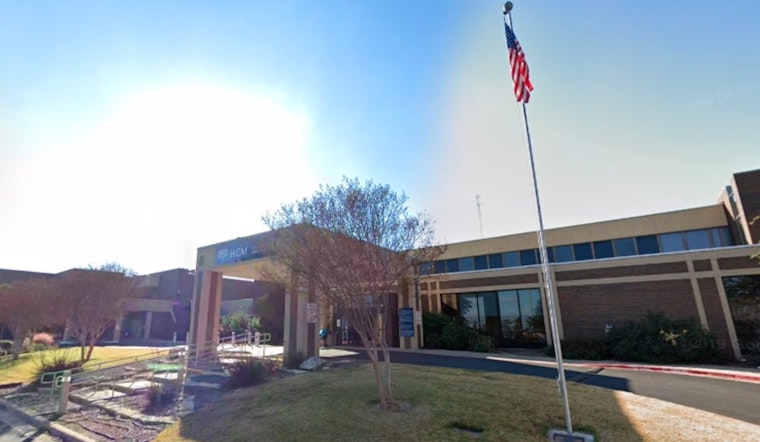
A bomb threat targeting Methodist Hospital Hill Country in Fredericksburg early today set off a major law-enforcement response, as federal bomb technicians and local officers converged on the facility and temporarily urged the public to steer clear. Crews swept the hospital while investigators worked to confirm there was no active danger, and as of initial reports no suspicious device had been found.
Hospital search and response
Fredericksburg police say hospital staff called 911 at about 8 a.m. after receiving the threat, triggering what officials described as a cautious but full-scale response. A bomb squad from the Bureau of Alcohol, Tobacco, Firearms and Explosives joined local officers "out of an abundance of caution" while emergency crews checked the building and surrounding grounds.
According to the San Antonio Express-News, police said "no suspicious devices have been located at this stage" and asked the public to avoid the hospital area while the sweep continued. Officers remained on scene as investigators coordinated with federal partners to gather information and decide when the all-clear could safely be given.
Wave of threats hit area schools
The hospital scare came on the heels of a string of voicemail bomb threats that disrupted schools across the region the day before. One recorded message prompted a full sweep and closure at Steele High School in Cibolo (bomb threat voicemail), while nearby Boerne High was briefly evacuated before being cleared, with an FBI bomb technician assisting the search there.
Regional outlets such as KTSA reported that other districts briefly locked down campuses or redirected buses while officers conducted precautionary sweeps in response to similar calls.
State law and penalties
Under Texas law, knowingly making false reports that trigger an emergency response is a crime, often referred to as "swatting." These calls are generally charged as a Class A misdemeanor but can be enhanced for repeat offenders or when the hoax leads to serious harm. The statute (Sec. 42.0601) allows elevation to a state jail felony after multiple convictions and to a third-degree felony if a false report directly results in serious bodily injury or death, according to the Texas Penal Code. Prosecutors say the tougher penalties are meant to deter hoaxes that put first responders and the public at risk while tying up critical resources.
Investigators' next steps
Authorities said recent threats may be part of a coordinated, swatting-style pattern and confirmed that investigations remain active. Fredericksburg police asked residents to avoid the hospital area while they work the case and complete their security checks.
Investigators are coordinating with federal partners and nearby agencies to trace the origin of the calls and identify suspects, according to the San Antonio Express-News. Police urged the public to monitor updates from official channels as they sort out who is behind the wave of threats.





