

























































Some Boston renters say their landlords quietly turned eviction scares into long-running bills, and now they are taking the fight to federal court.
Tenants have filed lawsuits accusing major corporate owners of slipping legal fees from eviction cases onto residents' rent ledgers even when the cases were dismissed or never reached a judge. The suits target national landlords AvalonBay and Greystar and claim those charges effectively forced tenants to pay hundreds or thousands of dollars just to stay in their homes. Tenant advocates argue that the practice piles extra financial pressure onto households already stretched thin by high rents and can push people closer to displacement.
As reported by The Boston Globe, the complaints list renters Lisa Almeida and Shaun Cordeiro among the plaintiffs and say landlords added line items for legal costs even after eviction proceedings were dropped. The filings ask judges to rule that charging the other side's legal fees without a court judgment and judicial review violates Massachusetts law. Lawyers for the tenants say those entries function in practice as debt that renters feel compelled to pay to avoid the immediate risk of losing their housing.
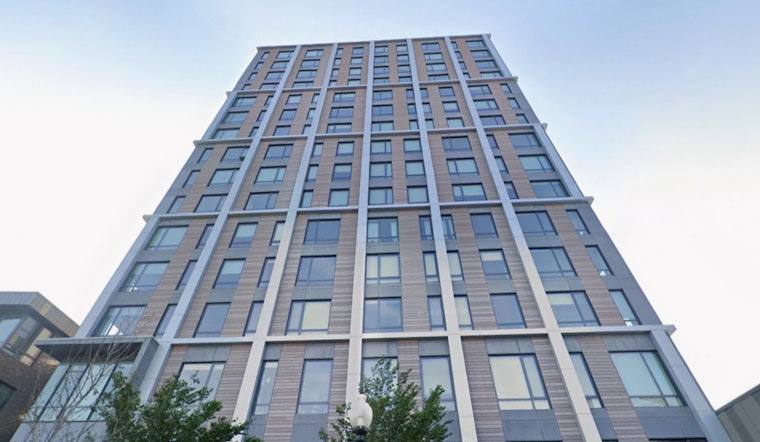
According to the lawsuits, Almeida says Avalon at Assembly Row billed her roughly $2,000 in legal fees over seven years, and Cordeiro says Greystar added nearly $700 in charges at The Eddy that he paid in 2023 because he feared being evicted. "I don't want anyone to ever go through what I went through," Almeida told The Boston Globe. Attorneys with Greater Boston Legal Services say those fees often show up after negotiations and settlements that take place outside crowded housing courtrooms and that the added debt can deepen housing instability.
Court rulings and filings
In the Greystar case, a federal judge last year dismissed one count but allowed others, including a claim under the Massachusetts Consumer Protection Act and a request for declaratory relief, to move forward, and Greystar later filed counterclaims, according to Multifamily Dive. The tenants argue that refunds or a clear court order are needed because, in their view, landlords sometimes skipped asking a judge for attorneys' fees before tacking the amounts onto tenant accounts. The case remains active while motions are argued and discovery moves ahead.
Lawmakers step in
Beacon Hill is watching. State Senator Jamie Eldridge has filed a bill that would spell out that legal fees can be charged to the opposing party only after a court has entered judgment and a judge has reviewed and approved the fees, according to the official Massachusetts Legislature record. The proposal would tighten the way leases handle legal fee language and is being considered alongside other tenant protection measures.
A national pattern
The Massachusetts lawsuits are part of a broader national wave of challenges to eviction-related add ons by corporate landlords. Business Insider and tenant advocates have documented similar fee disputes in several states, and some jurisdictions have already moved to bar landlords from collecting eviction costs without a judge's order. That wider backdrop helps explain why the Boston plaintiffs are asking for an explicit judicial rule instead of leaving the issue to whatever language might be buried in individual leases.
Legal implications
If judges ultimately side with the tenants, landlords could be required to strip unapproved attorney fee entries from tenant ledgers and could owe refunds or damages, even where leases say legal costs shift to renters. Landlords counter that their contracts permit collection of legal expenses when tenants breach their leases, and courts will have to weigh those provisions against state consumer protection rules and existing procedures for awarding fees, as reported by Multifamily Dive. Any ruling could ripple through the industry and prompt landlords to rework both lease language and billing practices.
For now, judges will decide whether this sort of ledger billing passes muster under Massachusetts law while lawmakers debate whether to lock stricter rules into statute. Tenants and housing advocates involved in the cases say the litigation could help curb a hidden charge that, in their view, too often pressures renters into rushed payments and makes already precarious housing situations even shakier.





