

























































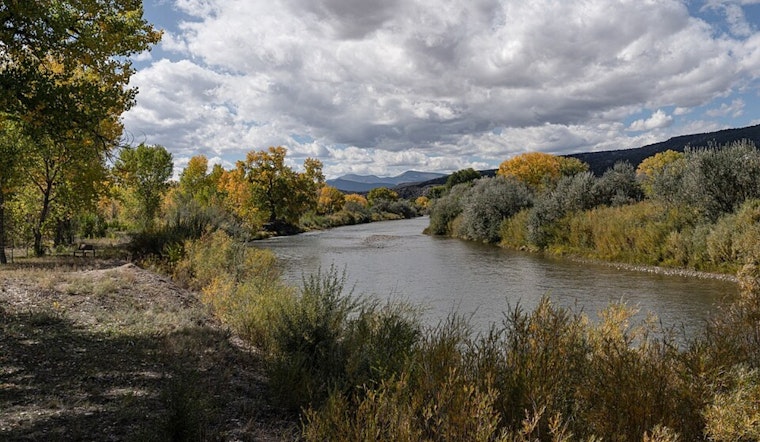
Bright orange cylinder buoys were already bobbing in the Rio Grande near Brownsville and Matamoros on Friday, an unmistakable sign that a massive new line of water barriers is starting to take shape. Even in short stretches, the floating wall grabbed the attention of residents and boaters on both sides of the river as federal crews quietly kicked off a sprawling deployment.
Photographs published by the El Paso Times show the buoys and staging equipment on the Mexican side of the river. Their appearance follows a Jan. 7 announcement by U.S. Homeland Security Secretary Kristi Noem that the department would install roughly 500 miles of floating barriers along the Rio Grande, according to The Texas Tribune.
Federal Rollout and What Officials Say
Federal officials say they already have contracts in place for about 130 miles of the barrier, the first slice of what is intended to be a multihundred-mile chain of floats. The new units are a cylindrical design that officials describe as able to roll if someone tries to climb on them, making them harder to scale than older versions.
The Houston Chronicle reported that each buoy can stretch as long as 15 feet and measure roughly 4 to 5 feet in diameter. The outlet also reported that funding for this expansion is coming in part from last year’s One Big Beautiful Bill appropriations.
Local and Environmental Concerns
River scientists and advocacy groups are already warning that the bright floats could bring hidden risks, especially when the river runs high. Anchored barriers may not stay put once floodwaters rise, they say, and could turn into dangerous debris as well as obstacles for navigation.
Martin Castro, watershed science director for the Rio Grande International Study Center, told KGNS that buoys secured to the riverbed can come loose in high flows and become hazardous. KGNS also reported that crews may move into the Laredo area this spring as the project marches upriver.
Critics frequently point to a 2023 incident near Eagle Pass, where a body was later reported caught in state-installed floats, a development documented by The Texas Tribune. That case has become a cautionary tale for those questioning whether another long band of buoys is worth the potential human and environmental cost.
What to Watch Next
Officials say the federal installation will roll out in phases and that only a fraction of the planned 500 miles is under contract so far. Local outlets report that the first contracts are just a starting point, with more segments expected to be added as crews move upriver.
Reporting by KRGV says additional contracting is expected in the coming months as teams lay down more sections of the floating line.
Legal Implications
The new federal buoy program arrives with a legal backstory already baked in. It revives the arguments that followed earlier state-run deployments along the river, which quickly turned into a high-profile courtroom fight.
The U.S. Department of Justice sued Texas in 2023, arguing that the state’s barrier violated the Rivers and Harbors Act and created safety and diplomatic risks, according to the U.S. Department of Justice. A federal appeals court at the time allowed parts of that state barrier to remain in place while litigation proceeded, per AP reporting.
For now, the bright floats near Brownsville are the most visible symbol of a federal effort that, if contractors complete the plan, could reshape how people move along and use the lower Rio Grande. Photos and on-the-ground reporting, including a picture gallery from the El Paso Times, show deployment platforms and crews working close to the waterline. Residents and recreational river users say they want clearer safety guidance from officials as the installation widens, and they will be watching closely as each new section floats into place.





