

























































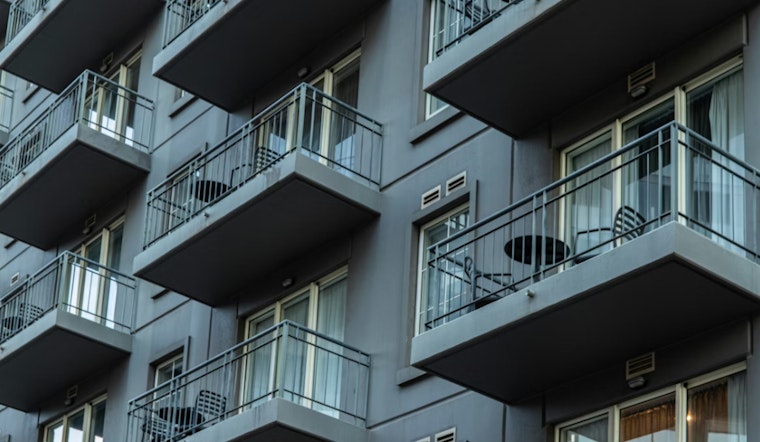
Hundreds of Bronx tenants have received official confirmation that their buildings rank among the city’s worst-managed. This week, more than 100 Bronx apartment buildings were added to the city’s list of poorly managed multifamily properties, placing hundreds of units under increased oversight. The update moves dozens of local landlords into the Alternative Enforcement Program, the city’s enforcement track for repeat offenders. For tenants, the designation can lead to faster inspections and, if owners fail to address issues, city-arranged repairs billed back to landlords.
The new round names 250 buildings citywide, covering roughly 7,038 homes and about 54,909 open housing-code violations, and owners on the list collectively owe the city nearly $4.5 million for emergency repairs, according to the NYC Mayor's Office. Mayor Zohran Mamdani and HPD Commissioner Dina Levy have framed the action as an early priority for the administration and a way to force long-delayed repairs where landlords have repeatedly failed tenants. City officials say the program gives HPD tools to increase inspections and issue Orders to Correct in buildings with persistent hazards.
Bronx Bears The Brunt
Local reporting in the Bronx notes that the borough supplied the largest share of properties added this year, with more than 100 Bronx buildings joining the list and making up nearly half of the AEP round, as reported by News 12. Tenants and neighbors in several Bronx neighborhoods reacting to the list said they hoped the designation would finally force overdue repairs that have dragged on for years. The sheer scale of the selection has renewed calls from local advocates for quicker enforcement and stiffer penalties for repeat violators.
What The AEP Does
Per HPD's AEP data page, the Alternative Enforcement Program allows the agency to ramp up inspections, issue Orders to Correct, and step in to complete emergency repairs when owners refuse to fix hazardous conditions. Owners can be billed for emergency work and monitored after discharge to prevent relapse. The program is designed to move quickly: buildings that correct violations can be discharged within months, while persistent noncompliance can trigger stronger remedies.
Local Example
HPD pointed to a local case in Tremont this week, saying action at 2051 Webster Ave followed sustained tenant organizing and documentation of unsafe conditions. The agency described that intervention on its LinkedIn page, crediting tenant groups and the Department’s Office of Neighborhood Services for escalating the case to AEP. Community advocates said designations like this can pressure owners to make tangible repairs, although they cautioned that enforcement must be sustained to prevent repeat neglect.
Enforcement And Next Steps
City officials said the current round puts owners with long-standing problems on notice and that the agency will pursue legal remedies where necessary. The mayor's office noted HPD’s Housing Litigation Division is a party to actions against dozens of owners tied to this round, signaling potential court enforcement for persistent violators, according to the NYC Mayor's Office. Tenants are being urged to keep documenting conditions and to file complaints through 311 so inspectors have up-to-date records of outstanding issues.
The full list of buildings and program details is posted on HPD’s open-data portal for anyone who wants to check whether a specific address is included, per HPD's AEP dataset. For tenants with urgent health and safety concerns, officials remind residents to report issues to 311 and to keep records of complaints and communications with landlords.



