

























































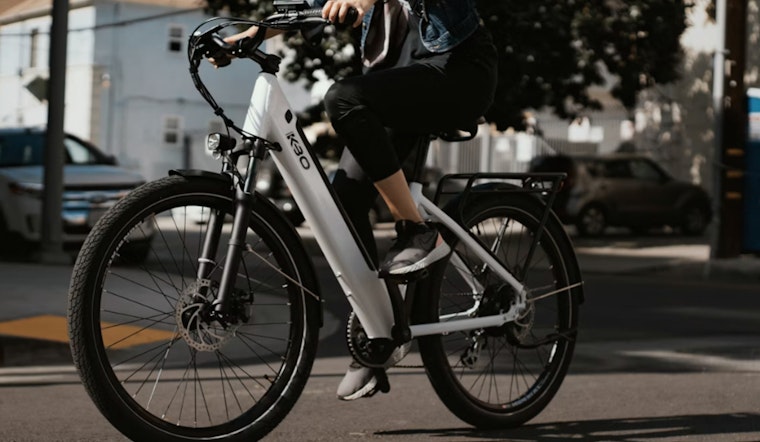
California doctors are jumping into the e-bike debate, backing a new state bill that aims to slow kids down without kicking their rides to the curb. The California Medical Association is sponsoring Assembly Bill 2346, introduced Feb. 20 by Assemblymember Lori Wilson, after physicians reported a spike in high-speed e-bike crashes sending more children to trauma centers. The proposal would create statewide youth speed limits, tighten what sellers must disclose, and phase in new built-in equipment on e-bikes sold in California. Supporters are pitching it as a public-health play, not an e-bike ban.
In a press release, the association said the measure responds to “a sharp rise in serious e-bike injuries” among children and teenagers. According to the California Medical Association, CMA President René Bravo, M.D., said, “These are powerful motorized devices, not the bikes many parents remember.” Assemblymember Lori Wilson called the bill an evidence-based way to give parents and local governments tools to enforce safer speeds.
Sponsors say AB 2346 was shaped by a December 2025 report from the Mineta Transportation Institute at San José State University, which warned that rapid technological changes have produced a growing number of “out-of-class” vehicles that fall between bike and motor-vehicle rules. A report by the Mineta Transportation Institute recommends revising vehicle definitions, improving crash data and tightening product standards as part of a broader safety strategy.
What AB 2346 Would Require
At the heart of the bill are new equipment rules, marketplace transparency requirements and speed controls that backers say would make e-bikes safer for young riders. According to the California Medical Association, AB 2346 would require integrated lights and speedometers on all e-bikes sold in California beginning in 2029. Manufacturers and retailers would also have to give buyers clear summaries of each bike’s type, maximum speed, battery wattage, age guidance and helmet requirements.
The measure would create civil penalties for sellers that hide or obscure a device’s capabilities, a shot at retailers who gloss over how fast a bike can really go. It would also let local governments set overall speed limits on bike and multi-use paths, giving cities and counties more say over how fast riders can travel in shared spaces popular with kids and families.
Backers point to emergency-room numbers and local trauma-center reports that they say justify the changes. National reporting from KFF Health News and local outlets have documented spikes in serious e-bike injuries and troubling examples of minors disabling speed limiters so machines run far faster. In the East Bay, John Muir Health’s trauma team told Patch it treated roughly twice as many e-bike and e-scooter injuries in 2025 as the previous year, a pattern crash injuries soar also flagged.
Enforcement And Local Precedent
The new retail disclosure rules would give regulators a concrete way to go after sellers who mislabel products or quietly enable high-speed conversions, although day-to-day enforcement would likely land on local agencies. The bill builds on a patchwork of county and school-district actions, from Marin County’s youth restrictions to recent school bans in the Bay Area, that local reporting has documented, as detailed by the San Francisco Chronicle. AB 2346 was filed on Feb. 20 and will move through committee review in Sacramento; Assemblymember Lori Wilson, who introduced the measure, chairs the Assembly Transportation Committee and will steer the early hearings, according to CalMatters committee records.
Sponsors say the mix of equipment standards, speed limits and clearer marketplace disclosures would give parents and cities practical levers to reduce severe injuries without outlawing e-bikes. Observers expect amendments and heavy input from public-health groups, bike advocates and retailers as AB 2346 moves through Sacramento, with the Mineta Transportation Institute report and mounting trauma data likely to shape the debate.





