

























































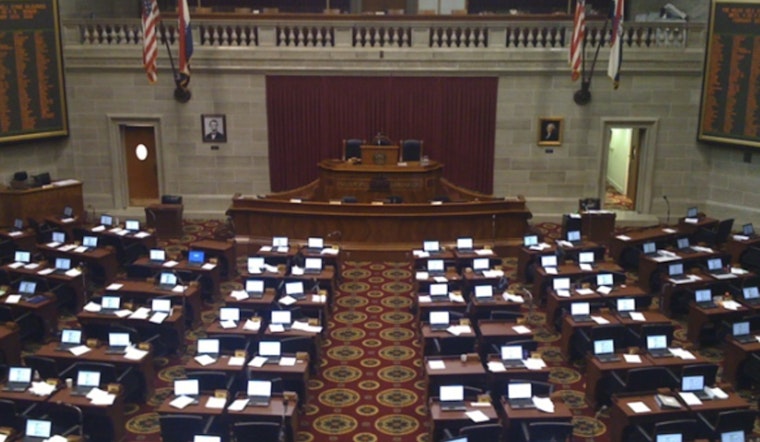
The Missouri House on Thursday signed off on a bill that would bulk up legal protections for students’ political and ideological speech in K–12 schools, instantly igniting a partisan fight over whether lawmakers are safeguarding free expression or inviting extremist groups and a wave of lawsuits. Backers insist it is a straightforward tune up to existing law, while critics say it could create real-world chaos in school hallways and board rooms.
According to LegiScan, House Bill 2682 cleared the chamber on Feb. 26 in a 99-47 vote, and it is sponsored by Rep. Darin Chappell (R–Rogersville).
What the bill would do
The proposal renames the state’s Student Religious Liberties Act as the "Safeguarding Personal Expression at K-12 Schools (SPEAKS) Act" and directs school districts that they "shall not discriminate" against students or clubs because of religious, political, or ideological viewpoints. It also requires districts to adopt limited-public-forum speaker policies and keeps in place traditional restrictions on obscenity and true threats, according to the bill text.
The bill goes further by creating a private right of action and waiving the state’s immunity so that districts can be sued under state law. The text lays out a minimum award of $5,000 to a prevailing plaintiff and gives students and organizations a two-year window to file suit, again spelled out in the bill text.
Lawmakers sparred over consequences
Debate on the House floor quickly turned sharp. Democrats warned that the language might shield hateful organizations and stir up new conflicts on campuses. Rep. Wick Thomas pressed whether the bill could end up protecting "Nazi student clubs," while Rep. Ian Mackey cautioned about "unintended consequences," as reported by Missouri Independent.
Republicans countered that the measure is about treating all viewpoints the same, regardless of who holds them. Rep. John Simmons argued that political and ideological speech "should be protected," framing the bill as a fairness issue rather than a green light for extremism.
Legal implications for districts
By stripping sovereign immunity and authorizing damages and attorney fees, the bill would give students and student organizations a direct path to sue districts for alleged viewpoint discrimination under state law. That could mean more litigation and higher insurance exposure for local school boards, which already juggle tight budgets.
Supporters say the waiver is designed to stop districts from hiding behind sovereign immunity when they trample on students’ rights. Critics respond that the same provision could encourage lawsuits over routine disciplinary calls and club approvals. The waiver, potential damages, and fee-shifting rules are laid out in detail in the bill text.
Where it goes next
A companion Senate version sponsored by Sen. Brad Hudson has already cleared a Senate education committee in a 5-2 vote but has not yet been scheduled for full Senate consideration, according to GovWatch. If the Senate takes up and passes similar language, the bill would head to the governor for a signature or a veto.
School districts, parent groups, and legal observers will be watching to see whether the Senate moves the companion bill and how courts interpret the new private causes of action if it becomes law. In the meantime, administrators may feel pressure to review speaker, club, and graduation policies to make sure they line up with the limited-public-forum rules spelled out in the legislation.





