

























































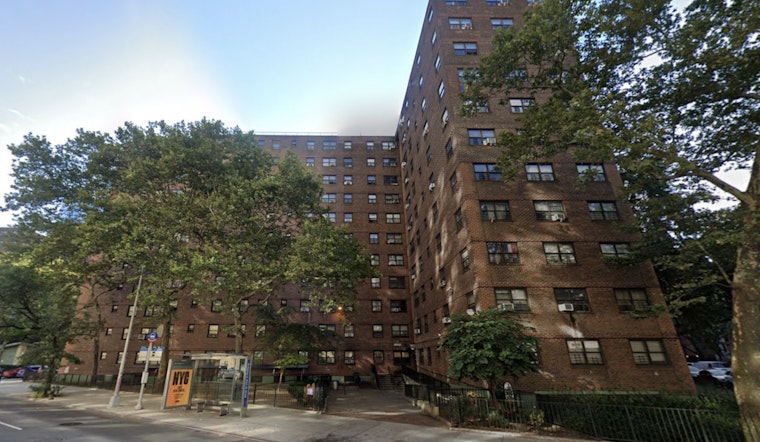
A Manhattan judge has temporarily thrown the brakes on the planned demolition of the Fulton and Elliott‑Chelsea NYCHA complex in Chelsea, halting scheduled vacate notices and early teardown work. The ruling is the latest twist in a months‑long standoff between tenants, housing advocates and city officials over whether to raze aging public housing buildings and replace them with taller mixed‑income towers.
According to CBS News New York, the judge’s order pauses demolition activity while the court weighs tenant challenges and related filings. Video from the courthouse shows residents and organizers, who have been rallying against the overhaul for months, gathering outside after word of the ruling filtered out.
Court action and the lawsuit
The pause follows a new round of court papers by tenants and community groups seeking a preliminary injunction to block demolition. They argue the city and NYCHA sidestepped required land‑use review and that uprooting residents will be traumatic for seniors and other vulnerable tenants, as reported by amNY. The plaintiffs include long‑time residents and neighborhood advocates who say the city’s promises about return rights and relocation help are too thin to be trusted.
Earlier this year, a related attempt to halt the project stumbled when a judge refused to grant an injunction, ruling that particular challenge had been filed too late, according to Chelsea News. One resident quoted in that coverage, Doris Ruffin, said repeated relocation demands had taken a toll on her health. Her message to neighbors was blunt: “Continue to fight. Fight on.”
Why tenants are fighting
Opponents say the redevelopment plan would displace thousands of residents, convert long‑standing Section 9 public housing to project‑based Section 8 PACT leases under private management, and add thousands of market‑rate units to the site, changes they insist were never clearly spelled out in official outreach. Reporting has chronicled rallies, petitions and tense community meetings where tenants and advocates argued that a developer‑backed survey was misleading and did not accurately reflect resident preferences, per Gothamist.
City and developer response
NYCHA and the Department of Housing Preservation and Development say the buildings face mounting physical problems and that a demolish and rebuild approach, led by private development partners, is the most realistic way to deliver safe, modern apartments. The plan, advanced in partnership with Related Companies and Essence Development, has moved through environmental review. HPD issued a Record of Decision in July 2025 that cleared the preferred alternative to proceed, according to HPD and coverage of the redevelopment process by City Limits.
What happens next
The judge’s order is a temporary pause, not a final verdict. NYCHA and its partners can ask to lift it, and plaintiffs can appeal future rulings, while federal HUD approvals and local permitting still help dictate the project’s schedule. Permits for initial work on the Chelsea Addition have already been filed, and project documentation lays out specific campus addresses and phased relocation rules. For example, demolition permits and plans have been reported for 441 West 26th Street, and NYCHA’s PACT project page details staged moves and return‑to‑unit commitments for the Fulton and Elliott‑Chelsea campuses, per CityRealty and NYCHA’s site.
Legal note
The core legal claims focus on procedure, especially whether Uniform Land Use Review procedures and other administrative steps were properly followed, not on whether the redevelopment is a good idea in the abstract. That procedural posture means outcomes can hinge on technical timing and administrative‑law rules, so this short‑term pause could stretch into a longer delay if appeals, filing deadlines or federal reviews slow the project, as outlined by amNY.
Community pushback was documented last December, including rallies and early legal maneuvers, and further court filings and agency notices are expected in the coming months. For now, residents and advocates describe the judge’s order as a meaningful, if uncertain, reprieve from the immediate threat of demolition, per Hoodline.





