

























































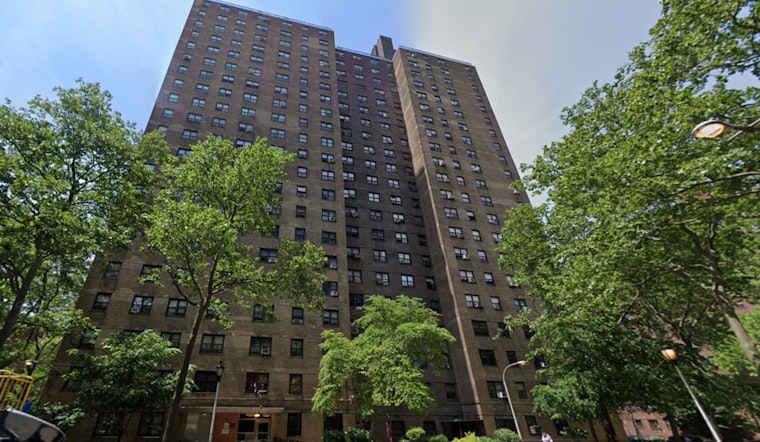
The ambitious redevelopment of the NYCHA complex in Chelsea, which promises to replace the aging Fulton & Elliott-Chelsea Houses with new public housing alongside additional affordable and market-rate units, faces strong resistance, as some residents, primarily seniors, stand their ground against relocation orders in the face of looming demolition deadlines, CBS News New York reports. While the development is toward offering modern amenities, and improved living conditions it's nevertheless attracted lawsuits and protests over the alleged mistreatment of vulnerable tenants, prompting legal action that has put some brakes on the process.
Despite a push from NYCHA and their contracted developer Essence, a recent intervention by New York Attorney General Letitia James, along with several state and federal lawmakers, urges a hold on the project, seeking to give residents ample time to grasp their new lease agreements and to secure legal counsel, efforts detailed in a letter emphasizing tenants' need for "further engagement and education on this issue". The redevelopment plan, initially set to commence with demolition before year's end, has thus been derailed by the obstinate refusal of some to vacate, as reported by Gothamist, setting back the construction timeline that anticipates a three to four year completion.
In a statement obtained by CBS News New York, Jamar Adams, of Essence Development, maintains that the project's mixed-income model is crucial for financing the much-needed refresh of the current 2,056 units; he assures existing tenants will return to new apartments at their current rental rate. On the other hand, critiques like George Weaver argue that the residents' buildings are structurally sound, describing the redevelopment as nothing but a "land grab."
Amidst these tensions and those described by residents experiencing a mix of fear and hope for the future, the lawsuit filed by the Elliott-Chelsea Houses Resident Association, represented by attorney Visnja Vujica, contends the project was devised without adequate public input and follows an earlier judgement where AI-generated case law led to the dismissal of a case, as documented by Gothamist. Although NYCHA's narrative suggests a majority of households have consented to the move, the ongoing clash highlights the crucial importance of procedural and communicative transparency in urban development, particularly when it affects the lives of long-standing community members.





