

























































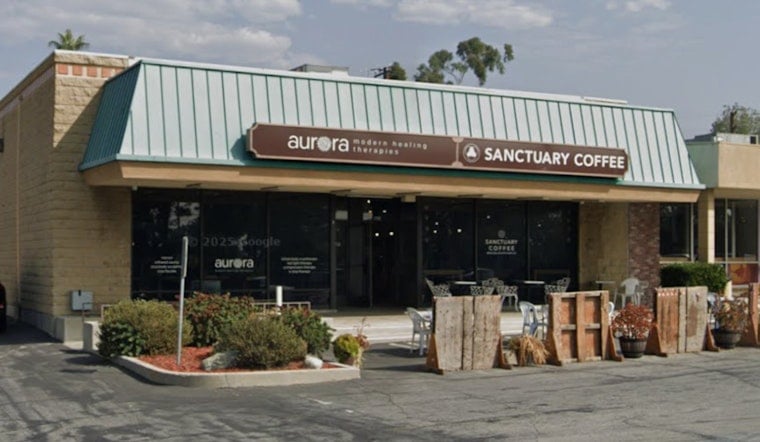
Sanctuary Coffee, the Claremont nonprofit that runs a shop on Foothill Boulevard and a café inside the Honnold‑Mudd Library, says it could be forced to close by the end of the semester if an April fundraising push comes up short. The organization has set a $36,000 goal, which it frames as roughly $3,000 per month, to keep both locations operating.
Owner and executive director Dr. Steve Gerali told The Student Life that rising rent and higher labor costs have squeezed the nonprofit and that it currently has about $1,000 in monthly pledges toward that target. CBS Los Angeles reported this week that the Honnold‑Mudd location on Foothill Boulevard is particularly at risk of closing by semester’s end.
Nonprofit model and local reach
According to its website, Sanctuary is a faith‑based 501(c)(3) that gives 100% of its profits to local charities and donates ten pounds of food to area pantries for every pound of coffee sold. The site lists two Claremont locations, the Foothill Boulevard café and a College Library Café inside Honnold‑Mudd, and outlines membership and donation options for supporters. Sanctuary Coffee also details the organization’s mission and partnerships on its About pages.
Staff and students speak
Employees and student workers say Sanctuary functions as much as a community hub as it does a coffee spot. Many staffers are also part of mentorship programs led by Gerali, according to reporting by The Student Life. In that report, manager and barista Seth Andrade described the café’s mentorship role for staff, and Gerali did not sugarcoat the stakes, saying, “Sanctuary is about to go out of existence.”
How to help
Sanctuary’s donation page lays out the math behind the fundraising push. The group says it needs about $3,000 per month to stay open and offers monthly sustaining tiers from $10 to $500, along with options for one‑time gifts and donor perks. The page also includes a form for setting up recurring pledges or making a single online donation. Sanctuary Coffee provides details on giving levels and member benefits.
Why it matters
Gerali has pointed to rising rent and labor costs as key drivers of the shortfall. The state’s minimum wage rose to $16.90 an hour on January 1, 2026, increasing payroll expenses for small employers across California. California’s Labor Commissioner notes that 2026 wage changes affect many small businesses, and Sanctuary’s leaders say that tighter margins combined with higher fixed costs are why they are asking the community for sustaining support.





