

























































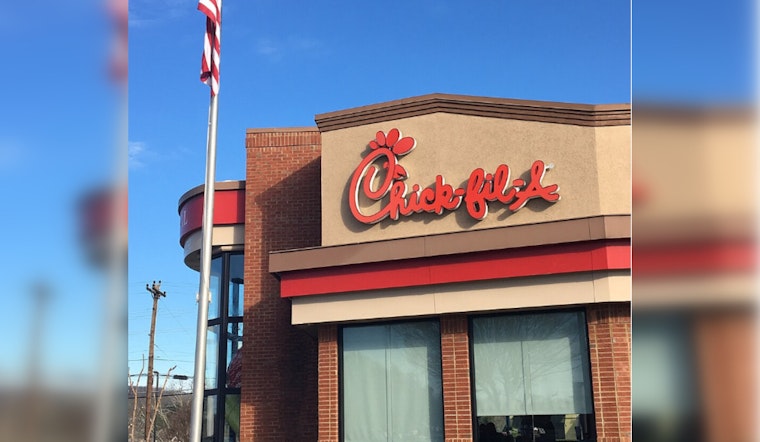
A Shelby County chancellor has told the Town of Collierville it has to greenlight a proposed Chick‑fil‑A, undoing a denial that dates back more than two years. The ruling follows long-running litigation between the town, the parcel’s trustee and nearby neighbors who raised traffic and safety concerns. For now, the decision sends the project back into the local approvals process while opponents weigh their next steps.
According to Daily Memphian, the chancellor directed Collierville to reverse the Board of Mayor and Aldermen’s earlier denial and grant the approvals needed for the proposed Poplar Avenue redevelopment. The outlet reports the order followed a lawsuit from the site trustee, who argued the denial was unlawful and injurious to his property interests.
How the Fight Unfolded
The plan that sparked the dispute was pitched in 2024 as a roughly 6,110‑square‑foot prototype with a playground and a high‑capacity drive‑thru. Opponents argued it would worsen congestion on Poplar and Bray Station Road. The Board rejected that proposal in a 5‑1 vote, Fox Business reported. During public hearings, residents and some aldermen pointed to traffic studies and safety risks, concerns that ultimately helped sink the application at the time.
The parcel’s trustee, Bob Cartwright, sued Collierville in March 2024 after the denial, alleging the town had acted improperly, according to earlier reporting by Daily Memphian. The chancellor’s recent order resolves that suit in Cartwright’s favor and tells local officials to move the application forward unless they choose to pursue additional legal action.
What the Ruling Means
For now, the impact is mostly procedural. Collierville must either comply with the chancellor’s direction to approve the application or consider seeking appellate review of the decision. Under Tennessee’s appellate rules, a notice of appeal in a case like this generally must be filed within 30 days of the judgment, which would set a firm deadline for any party that wants to challenge the order further. For timing, that window is outlined in the Tennessee Rules of Appellate Procedure Rule 4.
Why Neighbors Pushed Back
Opponents argued the larger prototype, with expanded seating and multi‑lane drive‑thru capacity, would cause cars to back onto surrounding streets and create safety headaches on Poplar, Bray Station and nearby intersections, as earlier coverage noted. With the chancellor’s order, the debate will swing back to whether the company and site owner can tweak access points and traffic controls enough to satisfy both public safety concerns and the town’s approval requirements.



