

























































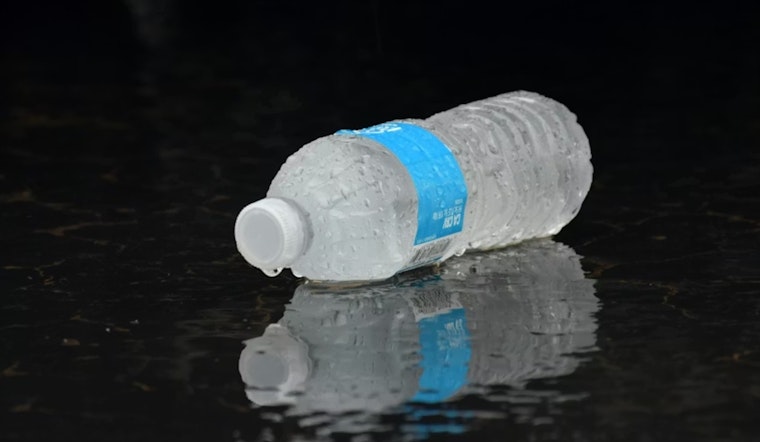
Bottled water's reputation for purity took a hit in Columbus, where Ohio State University researchers found it contained about three times as many nanoplastic particles as treated tap water. The team traced most of that gap to the bottles and packaging themselves, then put the two types of drinking water head to head using a lab setup built to catch the tiniest bits of plastic.
To keep the comparison fair, the researchers pulled one sample from each of six bottled brands and matched them against treated water taken from four conventional plants near Lake Erie, creating a like-for-like test of what most people actually drink.
How scientists measured the tiny plastics
The study, published in Science of The Total Environment, paired scanning electron microscopy with optical photothermal infrared spectroscopy (OPTIR). That combo let the team spot and identify plastic particles down to about 300 nanometers across, far below what standard methods usually pick up.
More than half of the particles the team detected in both bottled and treated tap water were nanoplastics smaller than 1 micrometer. Bottled samples carried clearly higher counts in this sub-micron range, while the overall mass of plastic was not significantly different between bottled and treated water. In other words, the total weight of plastic was similar, but bottled water had many more and smaller pieces.
Which waters were tested
Researchers analyzed a single sample from each of six bottled brands and duplicate samples from four drinking water treatment plants. The bottled samples were dominated by PET, polyamide (nylon), polyethylene and even tiny rubber fragments. Treated tap water, by contrast, contained relatively more polyamides and polyesters, according to Cleveland.com.
That local coverage also highlighted the researchers' bottom-line advice: for the average person, choosing tap or filtered water over single-use bottled water is a straightforward way to cut daily exposure to these particles. Ohio State News noted that the contrast shows up most sharply in the sheer number of the smallest particles in bottled samples.
Health unknowns
What all this means for human health is not yet clear. The World Health Organization has previously concluded that the current evidence of risk from microplastics in drinking water appears low, while urging more research on the smallest particles.
The Ohio State paper points to laboratory and animal studies showing that the tiniest microplastics and nanoplastics can be taken up by cells and, in experimental conditions, cross biological barriers such as the blood-brain barrier. The authors argue that those findings make a strong case for standardized test methods and larger, real-world exposure studies.
Policy and broader context
The Columbus results land on top of earlier work suggesting bottled water can be loaded with invisible plastic. A 2024 PNAS study, reported by the AP, found roughly 240,000 plastic particles per liter in several bottled brands.
At the policy level, states and advocacy groups have pushed the U.S. Environmental Protection Agency to start systematic tracking of microplastics in drinking water. The Association of State Drinking Water Administrators documents a petition urging EPA to add microplastics to the next Unregulated Contaminant Monitoring Rule so nationwide data on their occurrence can guide any future action.
What to do now
For now, lead author Megan Jamison Hart told Ohio State News that people who want to dial down daily exposure should favor tap or filtered water in a reusable container instead of repeatedly buying single-use bottles.
The researchers say the next steps are not glamorous but are crucial: standardizing lab methods and running larger, geographically broader surveys. That kind of data, they argue, is what water utilities, regulators and consumers will need to decide whether new treatment steps or updated rules are worth pursuing.



