

























































Massachusetts' statewide push to confront antisemitism in K–12 schools has moved from policy paperwork to political flashpoint, pulling educators, parents and lawmakers into tense fights over definitions, discipline and student safety. A legislative special commission spent more than a year holding hearings and writing recommendations, and a high-profile civil-rights brief tied to the Concord-Carlisle district has turned a broad policy debate into a local emergency. The fallout is a patchwork of community responses, from school climate surveys and new Jewish student groups to town board votes and federal complaints, that could change how schools handle bias for years.
As reported by The Boston Globe, the Special Commission on Combating Antisemitism held public hearings over 13 months and released a final report on Dec. 1 that calls for more teaching about antisemitism, Judaism and Israel, stronger public condemnations of antisemitism, and new systems for reporting and tracking incidents. The Globe also noted that Massachusetts is the only state to set up a statewide legislative commission focused specifically on antisemitism in schools. The recommendations are nonbinding, yet they have already stirred heated debate across communities and campuses.
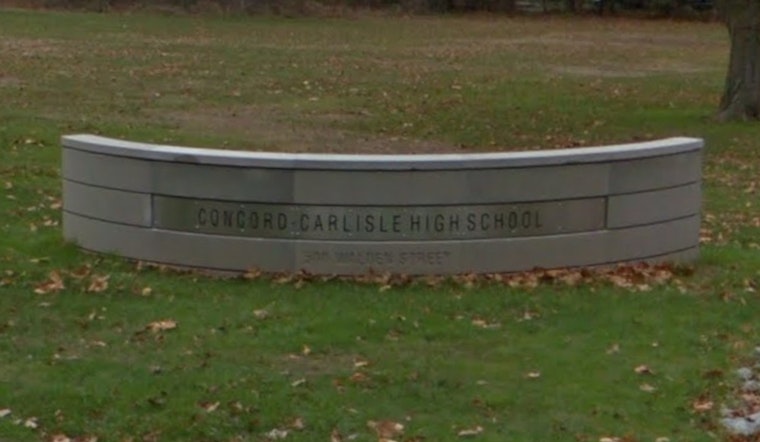
The push for concrete changes followed a federal civil-rights brief filed June 30, 2025, by the Anti-Defamation League, the Louis D. Brandeis Center and Mayer Brown that alleged pervasive antisemitic bullying in the Concord-Carlisle schools, including swastika graffiti, Nazi salutes and slurs such as "kike" and "go to the gas chamber." In the brief the complainants asked the Education Department’s Office for Civil Rights to require measures like adopting the IHRA working definition, annual antisemitism training, and a district-wide audit of Title VI compliance, according to ADL. The district has denied tolerating antisemitic acts and says it is cooperating with OCR while it updates trainings and reporting tools.
What the commission proposed
The commission's final report urges statewide steps that include model curricula and resources for teaching Jewish history and antisemitism, an Advisory Council on Holocaust and Genocide Education, mandatory anti-bias training for staff, and a statewide bias-reporting program that explicitly includes antisemitism, as outlined on the Massachusetts legislature’s website. The proposals are meant to give districts tools and shared language for identifying incidents and supporting students, and the report's authors stressed that the recommendations do not create new criminal penalties. The General Court has archived the report and press materials while towns and districts decide how, or whether, to put the guidance into practice.
At the center of the fight is the International Holocaust Remembrance Alliance working definition of antisemitism, a two-sentence definition accompanied by 11 illustrative examples, which the commission recommends educators use as a guide. The definition's examples that reference Israel have drawn sharp criticism from some scholars and activists who warn the framework can be "weaponized," while civil-rights groups and many Jewish organizations argue the IHRA language helps schools spot modern forms of antisemitism, according to ADL. Lawmakers on the commission have defended the approach as an attempt to balance protecting students and preserving civil liberties.
Teachers and students told reporters the debate has already made classroom discussions fraught. Some educators said they are steering clear of lessons about Israel and Palestine out of fear of backlash, and students described shrinking public displays of Jewish identity. Reporters with The Hechinger Report documented interviews with teachers and students who said the stakes feel high and the guidance unclear. Experts say there is little research showing any single curricular fix will cure bias, which leaves districts weighing principle against what they believe will actually work day to day.
In Concord, local groups and officials have moved quickly. Residents formed Concord-Carlisle Against Antisemitism, and the town’s Select Board voted to adopt the IHRA working definition on Jan. 27, 2026, signaling one form of community accountability, according to Concord Bridge. The Concord-Carlisle district also now hosts a Jewish Student Union that meets weekly and has roughly two dozen members, the district said in a November update. Those moves highlight how community pressure, rather than state mandates, is likely to shape day-to-day responses in many towns.
Legal and policy stakes
The Title VI brief remains an open matter with the U.S. Department of Education’s civil-rights office, and OCR lists the Concord-Carlisle filing as pending, which means federal review could lead to enforceable corrective steps if violations are found, The Hechinger Report notes. The commission's recommendations themselves are advisory, so the path forward depends on whether districts adopt new policies, whether towns endorse the IHRA guidance, and whether federal or state actors pursue enforcement. For now, officials, parents and student leaders say they are watching to see how reporting systems, trainings and curricula shift over the coming school year.
Whatever happens next, the conversation has forced schools to move from statements to specifics, including clearer reporting, targeted training and more visible support for students who feel targeted. State legislators and local school committees will now have to decide how much of the commission's blueprint to accept, and whether shared definitions will cool tempers or turn up the heat.





