

























































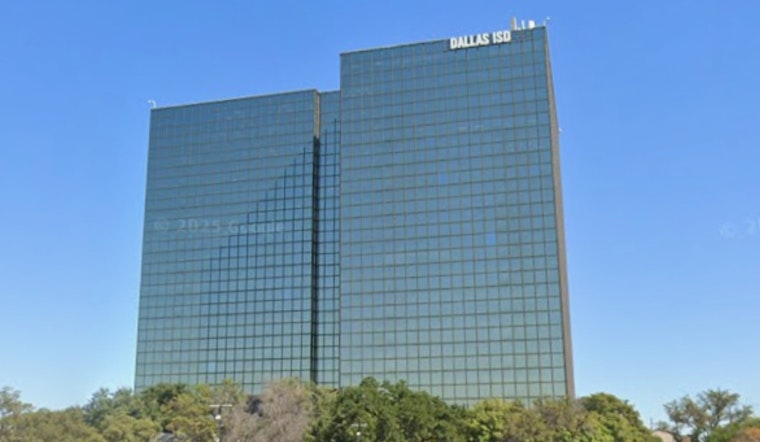
Dallas school leaders look ready to tell Austin "thanks, but no thanks" on a new state-backed daily prayer period, even as they line up for a required recorded vote last night.
Dallas ISD trustees are set to formally decide whether to adopt a state-authorized daily slot for voluntary prayer and religious reading, but district officials have already signaled they plan to pass on the offer. The vote itself is mandatory for every Texas school board under Senate Bill 11, approved by lawmakers in 2025. If Dallas follows through with a no, it would join a growing list of North Texas districts that have rejected the plan.
Senate Bill 11 lets school boards create a policy requiring each campus to offer an opt-in period when students and employees could pray or read the Bible or another religious text. Participation would hinge on signed consent forms, the time could not use the public address system, and it could not replace instructional minutes, according to the bill text on LegiScan. The law also says the Texas attorney general may defend districts that put the policy in place. It took effect for the 2025-26 school year and gave boards six months to record a decision.
Trustees Signal No
Dallas ISD officials have already telegraphed their position ahead of Thursday's vote, according to CBS Texas. District staff say existing First Amendment protections, along with current local policies, already allow students to pray or read religious texts on their own time. In their view, layering on a formal, district-run daily prayer period would not add meaningful protections and could complicate things for schools racing to meet the March 1 decision deadline.
Where Other Districts Landed
Across North Texas, school boards have been quietly sorting themselves into "yes" and "no" camps on the daily prayer option. Several larger districts have already voted against carving out an extra prayer slot, while a smaller group of mostly suburban systems chose to adopt it, according to the Dallas Observer. Local television coverage previewed Thursday's Dallas ISD debate and highlighted how the vote could influence other big-city districts still on the fence, as reported by WFAA.
Practical And Policy Concerns
Behind the scenes, administrators have flagged a list of practical headaches that could come with saying yes. Every campus would need private, supervised space for the period, along with systems to collect and track opt-in forms from students and employees. Principals would have to juggle staffing and scheduling so the new period stayed truly voluntary and did not cut into class time.
Civil liberties groups have also warned that even a carefully constructed opt-in program can feel a lot less voluntary in a real middle school hallway. Students who skip the period might feel singled out or pressured, especially in communities where one faith tradition is dominant, concerns outlined by Houston Public Media. That tension between "voluntary" on paper and social pressure in practice has hovered over the SB 11 rollout.
Legal Implications
The law includes a political sweetener for districts that adopt the policy: a provision stating that the Texas attorney general's office may defend them in court if lawsuits follow. Attorney General Ken Paxton has publicly urged districts to embrace SB 11 and has even recommended the Lord's Prayer as an example of what might be offered, according to the Houston Chronicle.
Legal scholars and rights groups, however, say the statute could invite establishment-clause challenges if it looks like public schools are favoring one religion over others or if families who opt out end up treated as outsiders. Those concerns are not hypothetical, they are the kinds of questions courts have wrestled with for decades and that SB 11 is almost certain to test.
What Comes Next
Under the statute, every Texas school board must record a vote by the deadline. Districts that say yes will then have to draft detailed local procedures, build consent forms, and create an operations plan before any daily prayer time can start, as reported by the Texas Tribune. Those that say no will stick with existing rules that already protect private student prayer without a formal daily slot.
In Dallas, parents, advocates, and faith leaders are watching to see how trustees handle the tightrope: honoring religious freedom while keeping public classrooms from drifting into religious endorsement. Community members told the Dallas Observer they view this week's votes across North Texas as a test of whether districts can protect students' rights without putting any one faith front and center.




