

























































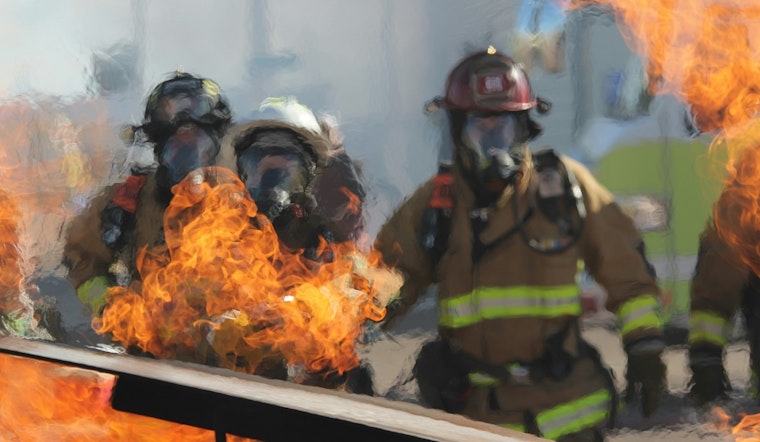
When Joe Davis moved back into his Garner home nearly two years after a September 2024 blaze gutted most of the house, he said the family "lost nearly everything." His ordeal is one of many that state officials say put a human face on an alarming trend as deadly fires rise across North Carolina.
State report: 159 deaths in 2025, 27 so far in 2026
The North Carolina Office of the State Fire Marshal's 2025 Fire Fatality Report counts 159 civilian fire deaths last year and documents 137 separate fatal incidents statewide. State tallies show 27 fire fatalities through mid-February 2026, a pace that has officials worried, according to the North Carolina Office of the State Fire Marshal.
Multi-fatality fires and older adults were major drivers of that rise, according to WECT.
Garner family's loss puts numbers in human terms
In an interview with CBS17, Garner resident Joe Davis said investigators traced his September 2024 house fire to his son playing with matches near gas-powered equipment. The blaze caused nearly $400,000 in damage.
Davis told the station the family had to move out during extensive repairs and were left rebuilding both the house and their lives, turning a single moment of curiosity into a long, painful reset.
Fires burn hotter, give far less escape time
State Fire Marshal Brian Taylor warned that most deadly fires start in the winter months, when people are indoors more and heating equipment is working overtime. He added that modern furniture and synthetic household goods make fires burn faster and hotter than they did about 20 years ago.
Taylor told reporters that escape time in a typical home fire has fallen from roughly 12 minutes to about two, a drastic shift that gives residents far less chance to get out safely, as reported by WECT.
Smoke alarms often missing or not working
The Office of the State Fire Marshal's analysis found smoke alarm status was a major factor in 2025 fire deaths. According to the report, 84 fatalities occurred where smoke alarms were not present or not working, 15 deaths happened in homes where alarms were confirmed working, and alarm status was unknown in 24 cases.
Officials say that gap, with far too many homes lacking functioning alarms, remains one of the clearest targets for preventing future deaths, per the report released by the North Carolina Office of the State Fire Marshal.
Practical steps officials and community groups recommend
Fire officials and partner organizations are pushing basic, low-tech habits that they say consistently save lives: test smoke alarms monthly, replace old units or dead batteries, install alarms inside bedrooms and on every level of the home, and practice a two-minute escape plan with everyone in the household.
Community campaigns such as Smoke Alarm Saturday and outreach by groups including the American Red Cross have helped install thousands of alarms across the state and can connect vulnerable households with free checks and replacements.
Where to read the report and get help
Local coverage and the Office of the State Fire Marshal's public release provide the full breakdown of 2025 fire deaths and interactive maps of incidents. For additional context, see reporting from WITN and CBS17.
If you or someone you know needs help with smoke alarms, officials urge you to contact your local fire department or the community partners listed in those stories for resources and installation events.





