

























































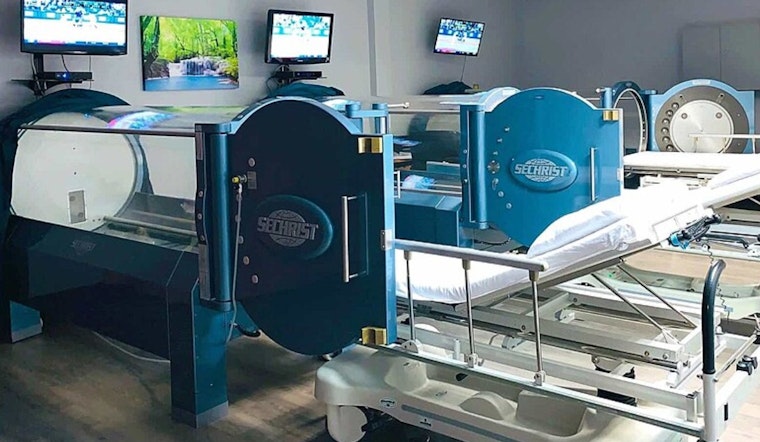
Michigan lawmakers are racing to tighten oversight of hyperbaric oxygen therapy at stand-alone wellness clinics after the deadly fire at a Troy facility, a case that turned a niche medical service into a statewide safety concern almost overnight. Sponsors say they want to close a long-standing accountability gap that has allowed some non-hospital operators to run oxygen-rich chambers with only limited state scrutiny. They stress the push is aimed at unsafe or unaccredited operators, not hospitals that already follow established medical standards.
State Sen. Stephanie Chang has introduced a package of bills in the Michigan Senate to put guardrails around the use of hyperbaric chambers in stand-alone health and wellness centers, while Rep. Sharon MacDonell’s office says her legislative director, Matthew Dargay, plans to introduce matching legislation in the House, according to the Detroit Free Press. Sponsors told the paper they are working with safety and medical experts on the bill language and expect another round of review before the proposals get a public hearing.
What lawmakers are proposing
The legislation, as sponsors describe it, would require facilities that operate hard-shell hyperbaric oxygen chambers to secure third-party accreditation, such as the programs run by the Undersea & Hyperbaric Medical Society, mandate physician oversight whenever chambers are in use, and create a state registration and licensing framework. That structure tracks with earlier draft concepts reported by The Detroit News. The UHMS has said accreditation and periodic surveys are key tools to verify compliance with NFPA and ASME safety standards.
Sponsors also stress that the bills are aimed at facilities offering medical-grade hyperbaric oxygen therapy and would not be written to outlaw lower-pressure, soft-side bag systems that some wellness centers advertise. In other words, the bullseye is on high-pressure, medical-level operations that look like hospitals but have not always been regulated like them.
The Troy tragedy that prompted action
The sense of urgency traces back to the Jan. 31, 2025 explosion at the Oxford Center in Troy, a blast that killed a 5-year-old boy and seriously injured his mother. Authorities and prosecutors later alleged multiple safety lapses at the facility, and the Michigan attorney general filed criminal charges against several employees. Those charges and the ongoing court proceedings have kept the incident in the headlines and turned it into a case study in what can go wrong when oxygen, pressure and lax safety practices mix, according to reporting by Michigan Advance.
Advocates for the family, along with some safety specialists, argue that the Troy case exposed how little the state can currently track, inspect or meaningfully regulate stand-alone hyperbaric operators that exist outside traditional hospital systems.
Federal warnings and industry standards
Federal regulators have also stepped in. On Aug. 25, 2025, the U.S. Food and Drug Administration issued a “Letter to Health Care Providers” that urged hyperbaric operators to follow manufacturers’ instructions, use proper grounding and fire-prevention measures, and make sure staff training and equipment maintenance are up to date. The letter essentially reminded clinics that oxygen and confined spaces are a high-risk combination if corners are cut.
The Undersea & Hyperbaric Medical Society and technical codes such as NFPA 99 and ASME PVHO 1 lay out detailed engineering and fire-safety requirements for chambers. Michigan lawmakers are pointing to those documents as roadmaps for what state rules should look like. Sponsors say a licensing regime would give the public a clear checklist and give regulators an enforcement tool to ensure those standards are actually followed outside of hospital environments.
How the bills could fare
Even with the safety arguments, the bills still have to navigate partisan control and procedural hurdles. Democrats hold the Michigan Senate, Republicans control the House, and the fate of the package will depend on committee agendas, regulatory cost estimates and how negotiations with industry and advocacy groups shake out, The Detroit News reported.
Supporters say modest licensing fees could help fund new oversight by the Department of Licensing and Regulatory Affairs. At the same time, some patient advocates are sounding alarms that tighter rules could unintentionally limit access for families who currently seek hyperbaric oxygen therapy for off-label uses that are not always covered in mainstream guidelines. Lawmakers say they intend to hold technical briefings with fire marshals, clinicians and accreditation organizations before they send any final language to committee.
Industry and professional groups tracking the legislation say draft text circulating in Lansing includes specific licensure requirements for hyperbaric medical directors and safety officers, defined inspection intervals and a temporary permit process to help existing clinics come into compliance. That level of detail suggests sponsors are trying to thread the needle between cracking down on sloppy operators and keeping reputable providers open, according to a monthly briefing by the National Board for Diving and Hyperbaric Medical Technology. If the bills pass, Michigan would join a small but growing list of states that explicitly tie hyperbaric operations to formal accreditation and inspection standards.





