

























































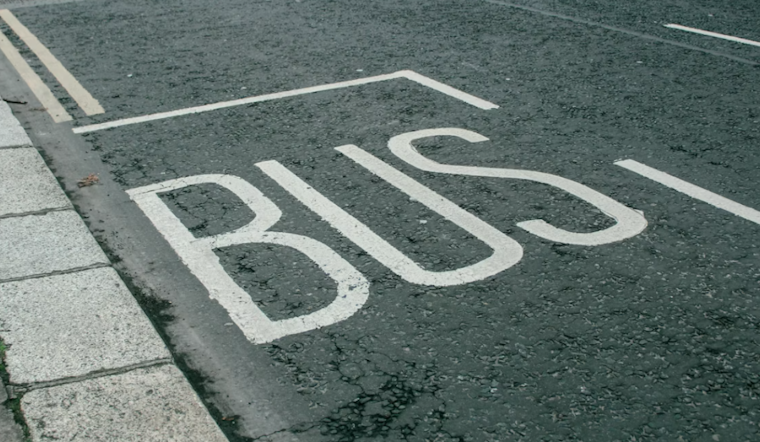
Baltimore is getting serious about those red bus lanes that drivers love to “borrow” for a quick shortcut. The city is rolling out automated cameras along some of its busiest transit corridors, aiming to keep buses moving and cut down on crashes.
The Board of Estimates has approved a contract to install camera enforcement on five high-volume corridors used by both transit riders and drivers, turning existing bus lanes into closely watched territory.
According to The Baltimore Banner, the Board signed off on an $8.9 million, five-year deal with American Traffic Solutions to install and manage the technology. The Maryland General Assembly cleared the way in 2024 by passing legislation that authorizes bus lane enforcement. Transportation Director Veronica P. McBeth told the Banner the focus is on safety and reliability, not turning the lanes into a cash machine.
Where the Cameras Are Headed
The first batch of cameras is slated for five corridors flagged in a 2024 bus lane study: Baltimore Street from Hanover to Charles, Lombard Street from Calvert to Light, Pratt Street from Commerce to Gay, plus two stretches of North Avenue near Druid Hill Park.
Department spokesperson Kathy Dominick told The Baltimore Banner that cameras will sit at intersections and midblocks, with placement dictated by crash and congestion patterns. They will be calibrated to allow legal right turns, so drivers who follow the rules are not caught in the net.
How the Crackdown Will Work
City staff says the cameras will capture images of vehicles driving or stopped in bus lanes and then send those images for human review before any citation goes out. The plan includes a public education blitz and a warning period, so drivers have some time to adjust before actual tickets start hitting mailboxes.
Baltimore’s Automated Traffic Violation Enforcement System, known as ATVES, already covers school zone speed cameras and vehicle height monitoring, with a tiered fine schedule and an explicit focus on changing driver behavior and improving safety. As laid out by the Baltimore City Department of Transportation, the new bus lane program fits into that same framework.
Who Is Running the Gear
The city’s contract taps American Traffic Solutions, which is part of the Verra Mobility family of automated enforcement vendors, to install, maintain and process images from the bus lane cameras. Verra Mobility’s own filings describe how the company provides end-to-end camera enforcement services for red light, speed, school bus, and bus lane programs around the country. For company background, see Verra Mobility.
How Baltimore Compares to Other Cities
Baltimore is not exactly venturing into uncharted territory. Other transit-heavy cities have already turned to cameras to keep bus lanes clear and shave time off trips.
In Washington, Metro partnered with DDOT on the “Clear Lanes” pilot, which sends encrypted images to the agency for review. New York and Boston have also expanded camera enforcement in recent years, with measurable gains in bus speeds and reductions in collisions. For context, see WMATA and the MTA.
What Happens Next
Installation, calibration, and public outreach will roll out according to the city’s procurement schedule. Officials say they will track crash and congestion data and adjust camera placement if the numbers point to trouble spots shifting elsewhere.
Transportation staff has signaled there will be a grace period before formal citations are mailed, and that appeals will follow existing state and city rules. More information, maps, and timelines will be posted on the city’s ATVES site and transportation newsroom. Riders and drivers alike can watch for updates from the Baltimore City Department of Transportation.
Supporters argue that clearer bus lanes should make rush hour more bearable for transit riders by improving on-time performance. At the same time, the camera rollout is likely to spark debate over privacy, how strictly images are reviewed, and whether the enforcement burden falls fairly across neighborhoods. City officials maintain that the cameras are one tool among many they are using to make buses faster and safer throughout Baltimore.





