

























































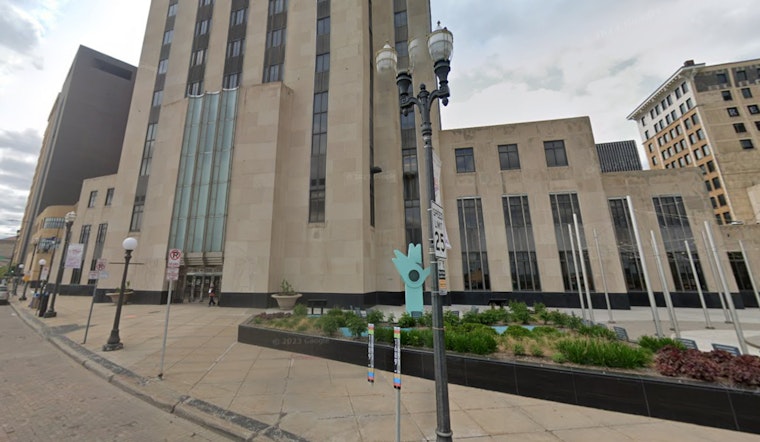
Saint Paul’s City Council is heading into what looks like a tense public hearing on Feb. 18 over a proposed ordinance that would sharply restrict most new drive‑through lanes across the city. Existing drive‑thrus could stay put, but future fast‑food and coffee‑shop lanes would be heavily limited, with only narrowly defined room for new bank and pharmacy drive‑thrus in certain areas. Backers frame the move as a win for pedestrians and transit‑oriented planning, while critics warn it could drain revenue from neighborhood eateries. With councilmembers publicly split, the hearing is expected to bring out everyone from restaurant owners to neighborhood advocates and planning staff.
Council Kicks Heated Debate To Feb. 18 Hearing
The public hearing is set for 3:30 p.m. on Wednesday, Feb. 18, after the council twice pushed the proposal back for more study. The delay has not exactly smoothed things over. As reported by MyVillager, Ward 6 Councilmember Nelsie Yang said she hears the pedestrian and climate arguments loud and clear, but also relies on drive‑throughs as a parent. That kind of real‑world tension is part of why the vote has grown so contentious.
What The Proposed Ordinance Would Actually Do
The draft ordinance on the table would bar most new drive‑through sales and services in downtown and in many traditional‑neighborhood districts, while grandfathering existing operations. According to the City of Saint Paul’s legislative record and staff memo, the proposal layers on detailed design rules: drive‑through lanes would have to sit along the side or rear of buildings, vehicle queues could not spill into sidewalks or bike lanes, and there would be minimum queuing requirements. The memo cites, for example, six stacking spaces for banks, 12 for fast‑food restaurants and 14 for coffee shops. It also requires that anything sold at a drive‑through be available inside or at a walk‑up window during the same hours. Residents who want the fine print are directed to the City of Saint Paul’s ordinance text and staff memo, which include the full legal language and maps in the legislative record.
Why Staff And Some Council Members Back The Crackdown
City planning staff say the ordinance is about lining up zoning rules with the 2040 Comprehensive Plan, which prioritizes walkable, transit‑oriented corridors and fewer conflict points between cars and people on foot. City planning manager Bill Dermody told CBS Minnesota that “drive‑thrus are, generally speaking, contrary to that.” Supporters also point to past traffic headaches as a cautionary tale, especially the long‑running complaints about the Starbucks at Snelling and Marshall, where drive‑through lines have spilled into surrounding streets for years. Axios and other outlets have documented how that particular chokepoint helped kick off the broader policy push.
Business Groups Warn Of Big Economic Hit
Local business organizations have lined up firmly on the other side, arguing the ordinance is too blunt and could simply send customers, investment and jobs to neighboring suburbs. The St. Paul Area Chamber has warned that the limits might chill new projects and expansions in the city, a case the group has laid out in its blog and in comment letters to the council. Reporting on testimony and business estimates has highlighted that drive‑through sales can make up a large share of revenue for some restaurants, a point operators have leaned on while arguing against a broad ban. As the St. Paul Chamber put it, a sweeping rule could bring unintended economic consequences for recruiting and keeping businesses in Saint Paul.
How Residents Can Weigh In Before The Final Vote
The Feb. 18 hearing is the next major chance for the public to sound off before the ordinance advances toward a final council vote. The item has stayed on council agendas while staff wrapped up a related traditional‑neighborhood zoning study, and city meeting records list the ordinance as File Ord 24‑26. Those records also include the planning commission resolution and staff memo for anyone who wants to dive into the technical background. Residents planning to testify should check the council agenda and instructions on how to comment; prior meeting summaries state that the council will accept both in‑person and written testimony before any final decision. CitizenPortal.ai and the City’s legislative record list the ordinance and scheduling details for residents tracking the process.




