

























































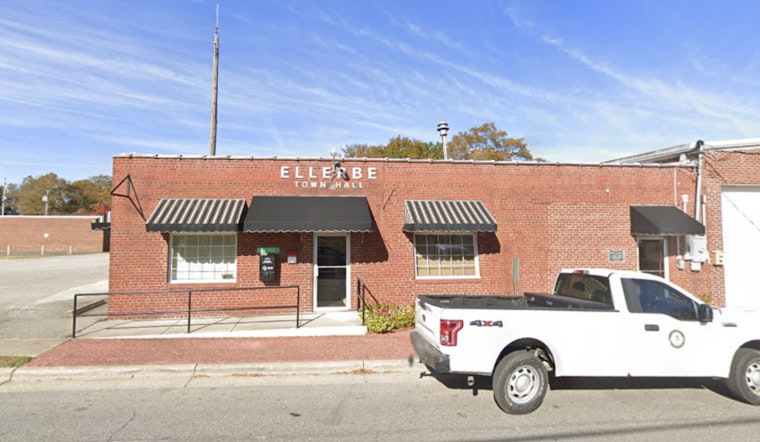
Just south of Ellerbe, a retired state biologist and a regional land trust have quietly locked in a big win for wild North Carolina. Three Rivers Land Trust and landowner Terry Sharpe have permanently conserved 90 acres less than a mile from the Town of Ellerbe in Richmond County, placing the tract under a conservation easement that keeps it off the development rolls for good. The move builds on work Sharpe started in 2013, when he protected 114 acres with Three Rivers Land Trust, and secures habitat that land managers say supports longleaf pine regeneration, native wildflowers and high-value pollinator areas. Local stewards are calling it a clear victory for the Sandhills' rare wetland communities and for long-term land stewardship in the region.
As reported by Salisbury Post, Sharpe, a retired biologist with the North Carolina Wildlife Resources Commission, removed loblolly pines from the site and has relied on prescribed fire and targeted thinning to re-establish a longleaf pine ecosystem with a rich understory of grasses and forbs. The same report notes that Sharpe collects and sells wildflower seed from the property to support native-plant projects across the region, and that the North Carolina Natural Heritage Program recognizes a skunk cabbage seep on the property as significant because of its vulnerability and pollinator value.
Landowner Stewardship And Local Praise
Sharpe told the land trust that placing the 90 acres under easement gives him "peace of mind" that the land will not be turned into a housing development, according to Salisbury Post. Senior staff at Three Rivers Land Trust welcomed the addition. Senior Land Protection Specialist Kyle Shores said conserving land with an experienced manager like Sharpe gives the organization confidence that the property will continue to thrive over time, and Executive Director Travis Morehead praised Sharpe as a committed steward of native plants and wildlife.
Fire, Longleaf And Regional Momentum
Three Rivers Land Trust has put active management at the center of its conservation work, emphasizing prescribed fire and selective thinning to help longleaf pine seedlings establish and to boost plant and insect diversity, as the organization explained in a recent post about prescribed burns. TRLT highlights how carefully planned burns can turn dense loblolly stands into open, diverse longleaf habitat that benefits pollinators and ground-nesting birds. The land trust also links projects like Sharpe’s to a broader push to protect working farms and forests in the Sandhills. An August 2025 post details a separate 87-acre conservation project and cites American Farmland Trust projections that Montgomery County faces a large share of farmland loss while Richmond County could lose roughly 12% of its working land by 2040. TRLT
For central North Carolina, the 90-acre easement near Ellerbe is a reminder that private landowners and regional land trusts are often the ones stitching fragmented habitats back together. For landowners interested in conservation easements or land-management partnerships, Three Rivers Land Trust works with willing owners across its service area to design protections that keep land working for people and wildlife while guarding it against future development pressure.



