

























































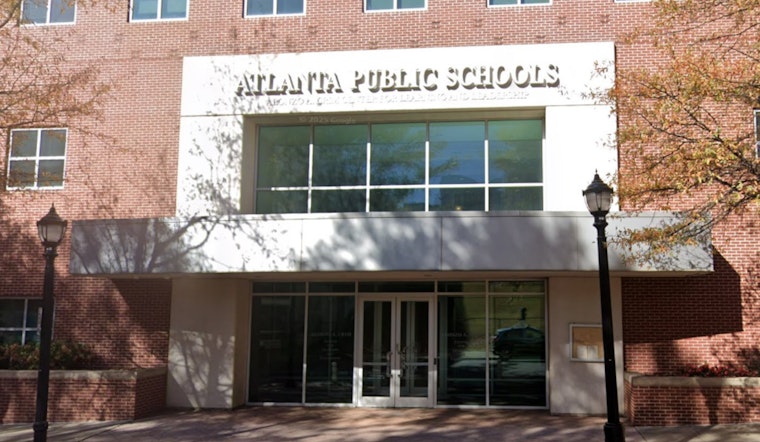
Some of Atlanta’s emptiest school buildings are finally in line for a second life, as Atlanta Public Schools moves to turn a handful of long-unused campuses into housing and mixed-use neighborhood hubs. The district is leveraging city resources and private developer interest, with activity ramping up in recent months through formal RFQs, community meetings and a developer property tour held this week. For nearby residents, that could translate into preserved historic buildings, new affordable units, and rezoning votes that reshape blocks that have mostly sat idle.
Television crews were rolling on Tuesday, when developers toured the Peeples Street site. According to WSB‑TV, APS officials framed the initiative as a way to convert underused district property into community-serving assets. The station’s report aired on Feb. 12, 2026.
The push builds on a formal intergovernmental agreement between Atlanta Public Schools and the Atlanta Urban Development Corporation that lays out a process for evaluating and repositioning surplus sites into long-term community assets. Per Atlanta Public Schools, the partnership allows AUDC to bring housing-development expertise while APS retains ownership of the land and final decision-making authority. The district’s properties page also notes a December 2025 update that declared additional buildings surplus and moved some vacant structures toward demolition in an effort to reduce blight.
Two Sites Leading the Pack
The first round of projects centers on two familiar addresses: Peeples Street in the West End and Lakewood Heights in southeast Atlanta, both backed by months of community outreach and master planning. According to AUDAPS, the Peeples Street RFQ went live on Jan. 20, 2026, with submissions due March 6 and a developer property tour held on Feb. 12, 2026. The AUDAPS Lakewood Heights project page, published with an RFQ last summer, emphasizes preserving the 1932 school building as part of a mix of income-restricted and market-rate housing and neighborhood retail. Both project pages include public-meeting materials, rezoning timelines and detailed lists of what developers must bring to the table.
A broader wave of public-to-private conversions is also rolling into downtown. The long-vacant Atlanta Constitution building is being remade as “Folio House,” pairing historic preservation with hundreds of affordable units as part of the city’s larger housing effort, according to The Atlanta Journal‑Constitution. Officials say this kind of public-private partnership is being fast-tracked around transit hubs and major redevelopment sites.
Why the District Says It’s Needed
APS and city officials point to decades of shrinking enrollment and aging facilities that have left the district with more physical space than it needs. Reporting on the district’s facilities plan shows the proposed realignment could trim roughly 5,200 seats and save an estimated $20 million to $25 million annually, savings the district says can be shifted back into classrooms and student services. CBS Atlanta covered the consolidation proposal and facility numbers last fall.
Neighborhood planning units, community advisory teams and local associations have been pulled into master planning, and officials say developer selection will hinge heavily on how proposals line up with local design and affordability goals. The RFQs call for mixed-income housing, early-learning space, workforce-development programs and, in some cases, firm commitments to historic preservation. City staff and AUD staff are set to review submissions, hold NPU meetings, and then bring recommended deals to the APS board for final approval.
What To Watch
The next big date circled on calendars is the Peeples Street RFQ deadline on March 6, 2026, followed by developer shortlists and rezoning applications expected later in the spring. If proposals advance, residents can expect NPU votes, city approvals and eventual APS board action before any long-term leases or sales are locked in. Developers are being asked to spell out how their projects will deliver affordability and broader community benefits from the outset.
Residents who want to follow the process can sign up for notices on the district’s properties page and keep an eye on AUDAPS project sites for RFQ materials and public-meeting schedules. Atlanta Public Schools maintains an email sign-up and an interactive properties map for people tracking the work.





