

























































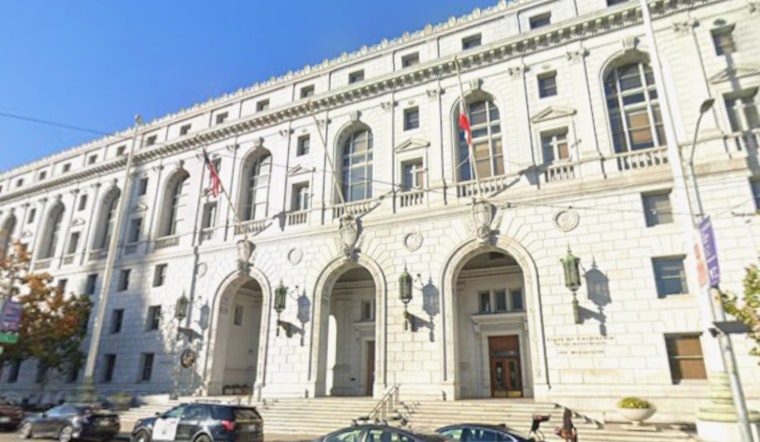
California’s Supreme Court has been running one justice short for more than three months, and that empty chair is already reshaping what gets argued and when. When Justice Martin Jenkins retired, he left six permanent justices to divide the court’s workload and rely on temporary stand-ins for oral arguments. That imbalance arrives just as the high court gears up for rearguments and supplemental briefing in major cases, including death penalty litigation and challenges under the Racial Justice Act, where a single vote could decide the outcome. Lawyers and former justices say the vacancy tightens internal debate and can slow the delivery of final rulings.
Gov. Gavin Newsom has yet to name a successor, and his office says it is continuing a thorough review of potential nominees, according to the San Francisco Chronicle. In the meantime, he has been assigning appellate justices to sit temporarily on the high court, a stopgap that court watchers say comes with limits and potential risks for the parties whose cases are on the line.
How the Court Is Coping
The court’s own announcement logged Jenkins’ decision in October to step down and confirmed his retirement at the end of that month, which officially opened the seat for a gubernatorial appointment. The Supreme Court of California notes that Jenkins is still wrapping up opinions in cases he heard before leaving the bench. March calendars show a string of rearguments in death penalty appeals, and legal coverage reports that Jenkins has been assigned to sit pro tem in some of those rearguments because he previously took part in the cases. Horvitz & Levy details that March lineup and its unusually heavy focus on capital cases.
What’s at Stake
One of the biggest matters on the horizon is Office of the State Public Defender v. Bonta (No. S284496), a sweeping challenge to California’s death penalty system that remains unresolved and has prompted additional briefing. The Daily Journal explains that this petition, along with related issues under the Racial Justice Act, could determine whether certain death sentences are thrown out or left in place. Former chief justices and veteran appellate lawyers caution that temporary justices rarely write separate opinions, which means the six permanent chambers shoulder more of the drafting and can see their output slow. They also warn that when the court is not at full strength, razor-thin decisions can end up turning on the vote of a single pro tem justice, according to the San Francisco Chronicle.
How a Replacement Is Chosen
Once the governor settles on a nominee, the name is first reviewed by the State Bar’s Commission on Judicial Nominees Evaluation and then must be confirmed by the Commission on Judicial Appointments. That commission is chaired by the chief justice and also includes the attorney general and a senior presiding justice, as outlined by the California Courts Newsroom. After confirmation, the new justice typically faces a retention election to serve out the rest of the departing justice’s term. Court analysts point out that whoever is tapped to fill Jenkins’ seat is expected to appear on the November ballot to complete the remaining eight years, a scenario examined in recent state court commentary. The SCOCA blog and other observers note that the timing of the appointment could shape the court’s approach to criminal and capital cases for years to come.
What to Watch Next
All eyes now are on whether Newsom moves fast enough to select a nominee who can be vetted and confirmed before the court’s March reargument calendar kicks off. That timing will serve as an early test of whether the vacancy is merely an administrative headache or a force that alters outcomes. If Jenkins continues to sit pro tem in cases he previously heard and other appellate justices keep rotating onto panels, the coming months will reveal whether a seven-justice workload can be handled by a six-justice court without significant delay, or whether tight votes and a thin bench start to shape how some of California’s most consequential cases are decided.





