

























































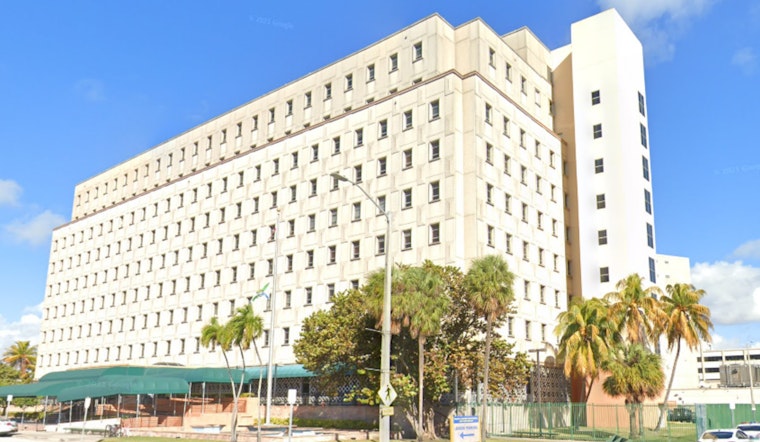
Rashaun Jones, a former University of Miami defensive back accused in the 2006 killing of Hurricanes lineman Bryan Pata, has turned down a 15-year plea deal and insisted he is innocent as his long-delayed murder case finally moves toward trial in Miami-Dade Circuit Court. Jones has been behind bars for roughly five years while lawyers fought over pretrial motions and discovery, and the case slipped in and out of public attention for nearly two decades.
Jones Turns Down Plea, Tells Judge He’s Innocent
Shackled at the defense table, Jones rejected a prosecution offer that would have capped his prison time at 15 years and given him credit for the years he has already served. He told the court, “Deep down in my heart, I know I'm innocent.” According to the Miami Herald, Judge Cristina Miranda urged Jones to think hard about resolving the case without risking a trial, but she allowed it to move forward toward jury selection when he refused. With the plea off the table, jurors will now hear directly from witnesses and sift through evidence that dates back to 2006.
State's Case Built On Records And Recorded Testimony
Prosecutors concede their case is largely circumstantial and leans heavily on old records. They say cellphone data places Jones near the Colony Apartments in Kendall the night Pata was shot, and an eyewitness later picked Jones out of photo lineups. Years of reporting and court filings detailed how the investigation languished before it was revived, leading to Jones' 2021 arrest and the rediscovery of key witness Paul Conner, who had been presumed dead. Judge Miranda has ruled that jurors can hear Conner's recorded 2022 testimony after finding he is not mentally fit to take the stand in person, according to ESPN.
Judge Narrows Defense's Alternative-Suspect Theories
Recent rulings have tightened what Jones' defense team can present at trial. The court barred testimony about alleged confessions from other people, supposed paid hits on Pata, and threats that were allegedly made before the killing. It also limited evidence about a nightclub fight that involved teammates and alleged gang members, according to court records. The Miami Herald reports that Judge Miranda said she was cutting back on information that might confuse jurors or that she deemed immaterial to the specific charges. Defense attorneys counter that the restrictions, combined with the years of delay, have chipped away at Jones' ability to fully argue that someone else could be responsible.
Cold Case Backdrop And Missing Records
Reporting by ESPN has highlighted gaps in the case file, including a 2007 polygraph report and a lead sheet that listed other potential suspects. Prosecutors at times told the court they could not locate those items during discovery, a problem that fueled defense motions and outside scrutiny. Prosecutors have said some of that material would likely be inadmissible anyway, while acknowledging there were issues with producing records. Local coverage notes that Jones was arrested in August 2021 and pleaded not guilty to second-degree murder, and he has remained in custody as the pretrial fights dragged on, according to CBS Miami.
What's At Stake For Both Sides
If a jury convicts Jones of second-degree murder, he could face a life sentence under Florida law. Prosecutors told the court that the rejected plea would have dramatically lowered that risk, limiting his exposure to 15 years with credit for time served. Judge Miranda warned Jones about those stakes when she encouraged him to consider ending the case without a trial, according to NBC 6. Jones' attorneys say they will focus on the long delay between the killing and the arrest, the deaths of several would-be witnesses, and concerns over how well key witnesses can still remember events from nearly 20 years ago.
What To Watch In Court This Week
Jury selection is expected to offer the first real preview of how the case lands with ordinary Miami-Dade residents, and whether jurors will trust decades-old recollections and recorded testimony over circumstantial tools like phone records. Prosecutors appear ready to lean on their reconstructed timeline and steer away from speculative leads, while the defense is likely to keep hammering at the age of the evidence and the missing documents that have become a subplot of the case. How Judge Miranda instructs jurors on weighing stale memories and recorded statements could prove crucial in deciding whether the prosecution's theory holds up once opening arguments are finished.




