

























































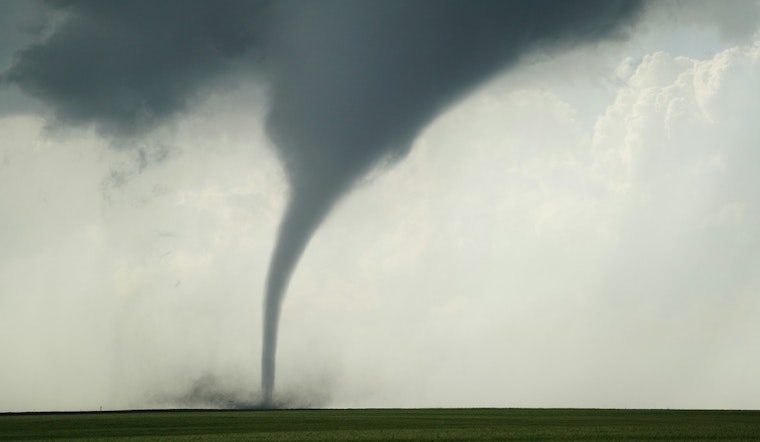
February is muscling its way up the tornado charts in Middle Tennessee, with long-term records showing dozens of February touchdowns across the region. On the local tornado calendar, that puts February behind only March, April, and May, and forecasters are urging people not to wait for “spring” before taking severe weather seriously.
Historic Counts And Context
Data compiled for the National Weather Service’s Middle Tennessee county warning area show 80 confirmed February tornadoes since recordkeeping began, according to the NWS Nashville tornado database. That tally makes February the fourth-most common month for twisters in the Midstate, sitting just behind the March through May peak.
Why February Can Still Turn Violent
Middle Tennessee sits in a collision zone where warm, moist Gulf air can run headfirst into strong winter storm systems and an energized jet stream. The clash creates sharp temperature contrasts and wind shear that can spin up rotating thunderstorms capable of producing tornadoes. The National Weather Service is spotlighting those ingredients as part of Tennessee Severe Weather Awareness Week, which this year includes a dedicated day on tornado safety and preparedness. Local outlets have been amplifying that message as meteorologists note that even brief bursts of late winter warmth can provide all the fuel storms need; WSMV laid out the trend this week.
A Harsh Reminder From History
It only takes one outbreak to redefine a month. The National Weather Service’s service assessment of the Feb. 5–6, 2008 “Super Tuesday” outbreak details how that late winter event produced scores of tornadoes across the South and caused heavy loss of life in Tennessee. The review also triggered wide-ranging improvements in warnings and public outreach. That episode shows how a concentrated burst of February activity can quickly swell long-term totals and push local response systems to the limit.
How Middle Tennesseans Should Get Ready
Officials urge residents to pick out an interior, windowless shelter in the home, assemble an emergency kit, and make sure everyone under the roof knows the plan before storms fire up. The NWS’s Severe Weather Awareness Week materials list alert tools, spotter-class schedules, and other resources to help people get prepared, and local reporting has turned that guidance into step-by-step checklists; NewsChannel 5 highlights one example. Keeping wireless emergency alerts turned on and a battery-powered radio within reach are still simple moves that can make a big difference.
February’s rising profile on the Midstate tornado map is a clear reminder that tornado season does not wait for the calendar to say spring. With Severe Weather Awareness Week underway and several more months of active weather ahead, local forecasters say basic preparedness will be the deciding factor for many households when the next line of storms rolls through.





