

























































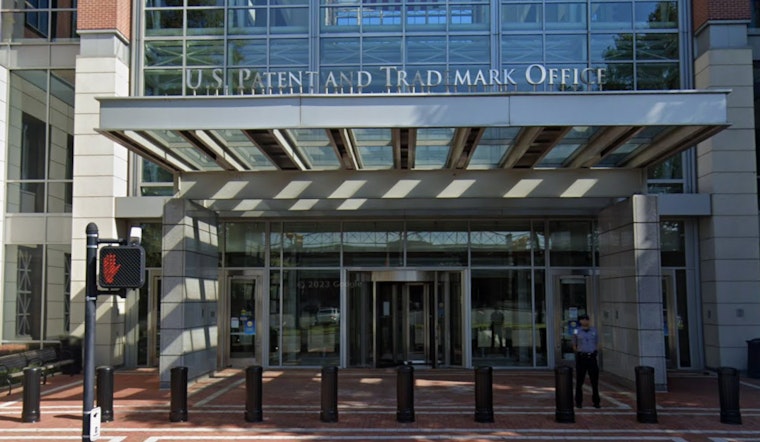
Big Tech just took another hit in its long fight with the U.S. Patent and Trademark Office. On Friday, a three judge panel of the U.S. Court of Appeals for the Federal Circuit sided with the agency and refused to block a contested Patent Office policy that tightened access to post grant patent reviews. The ruling keeps in place the USPTO's NHK-Fintiv framework, internal guidance that gives PTAB judges broader discretion to deny inter partes review petitions, and leaves companies with fewer straightforward paths to challenge asserted patents. It is another courtroom setback for Apple, Google, Intel, Cisco and Edwards Lifesciences in a long running battle over how the agency makes and announces policy.
Panel says the guidance is a policy, not a rule
The Federal Circuit panel held that the NHK-Fintiv guidance is a "general statement of policy" that is exempt from the Administrative Procedure Act's notice and comment rulemaking requirements, according to Reuters. That conclusion knocked out the companies' central claim that the PTO had to go through formal rulemaking before giving PTAB judges the discretion to turn away inter partes review petitions.
What the companies said
Apple, Google, Intel, Cisco and Edwards Lifesciences argued that the NHK-Fintiv framework "dramatically reduced access" to inter partes review and unfairly narrowed defendants' options in patent disputes, a contention reported by Reuters. The government, represented on appeal by Weili Shaw of the U.S. Department of Justice, countered that the guidance simply advises the PTAB on how the Director plans to exercise existing discretion. Lawyers for the technology companies were led by Mark Fleming of WilmerHale, according to court filings.
How this fight got here
The challenge began with a 2020 lawsuit and has wound through multiple courts over the last five years. In 2023, the Federal Circuit reversed a lower court dismissal and sent the notice and comment question back for a decision on the merits, as the appellate opinion explains, and the case was litigated on remand. On March 31, 2024, the U.S. District Court for the Northern District of California denied the plaintiffs' motion for summary judgment and held that the NHK-Fintiv instructions are a general statement of policy, according to the court's order.
Legal implications for patent fights
Practitioners say the decision reinforces how few routes exist to challenge the PTO's institution decisions and highlights the way 35 U.S.C. § 314(d) limits judicial review of whether the PTAB will hear a petition at all. Legal analysis notes that the Federal Circuit's recent decisions have made mandamus and APA lawsuits harder to use as backdoor methods to revive rejected inter partes reviews, and that challengers may instead focus on narrow APA theories or push for formal administrative rulemaking, according to commentary by patent practitioners at JDSupra.
The case now returns to the district court for any remaining notice and comment issues, and the broader fight over how the agency balances efficiency with access to administrative review is expected to continue as the USPTO refines its procedures and proposed rules, Bloomberg Law notes.





