

























































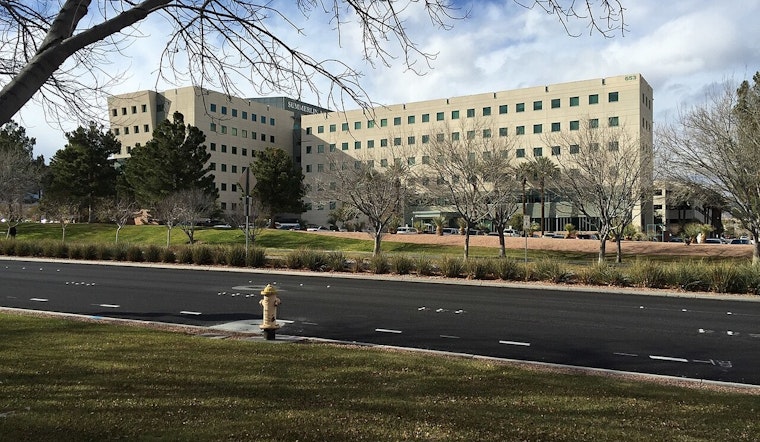
Dozens of women in West Las Vegas say they were blindsided when letters arrived warning that their recent mammograms at Summerlin Hospital Medical Center might not have been good enough to trust.
Federal regulators had flagged image-quality problems at the hospital’s mammography unit, and the facility stopped offering mammograms late last year. The issue only spilled into public view this week after local investigative reports and copies of the letters started circulating on neighborhood message boards.
According to the notice, some patients who had mammograms at Summerlin between Oct. 24, 2023, and Dec. 11, 2025, may need their scans re-evaluated and, in some cases, repeated.
What the Letters Told Patients
Reporting by 8 News Now shows the letter bluntly stated that the Food and Drug Administration found the facility failed to meet the clinical image-quality standards required by its accreditation body. The FDA then ordered the hospital to stop performing mammography effective Dec. 11, 2025.
The notice also explained that when the agency identifies a serious concern about image quality, facilities must notify patients and their providers. Most patients who had exams during the flagged period will need their images reviewed by another radiologist to see whether a repeat mammogram is necessary.
Hospital’s Response and Who Pays
Valley Health System, which operates Summerlin Hospital Medical Center, told reporters it has sent the required letters to affected patients. The system said it will pay for both the re-evaluation of images and any repeat mammogram at another MQSA-certified facility. What it has not provided is a clear number of how many people are caught up in this mess.
Local coverage and neighborhood message boards suggest at least dozens of women have already received letters and are now scrambling to find out if their results can be trusted, a confusion echoed in reporting by KTNV.
What the FDA Can Do When Mammograms Miss the Mark
The Food and Drug Administration enforces the Mammography Quality Standards Act, which is meant to keep mammogram facilities up to a consistent safety and image-quality bar. When serious quality concerns arise, the agency can order additional image review, require that patients and their providers be notified, and declare a facility’s MQSA certificate no longer in effect if it believes there is a serious risk to human health, according to the Food and Drug Administration.
The FDA also publishes instructions and a hotline for patients who need to obtain their original images or who want to report worries about mammography quality.
What Patients Are Being Told to Do Now
Clinicians are advising patients who received letters to contact their primary care provider or the imaging clinic that originally ordered the mammogram. The goal is an immediate review of the existing images and a conversation about whether a repeat exam is needed.
The U.S. Preventive Services Task Force recommends screening mammograms every two years for average-risk women ages 40 to 74. But whether a specific exam from Summerlin should be repeated will depend on what a radiologist sees on review and on each patient’s personal risk factors.
Regulators Pressed on What Went Wrong
Nevada health officials say the FDA notified the state about the accreditation revocation in mid-December. Even so, local investigators report there are still basic questions hanging in the air, including how the problems were first detected and exactly who was told, and when.
The American College of Radiology, which had accredited the facility, directed reporters to the FDA for further questions, according to 8 News Now. Regulators are now under pressure to release more detail about the scope of the image-quality failures and the process for reviewing affected exams.
Fear, Frustration and Waiting
For local women, the policy talk and regulatory back-and-forth boil down to a simpler fear: Was my cancer screening reliable or not?
"I panicked," one patient told KTNV. Advocacy groups say that kind of reaction is widespread, especially among people with a personal or family history of breast cancer, and that the uncertainty around repeat scans is creating significant emotional distress.
Valley Health says it will continue covering re-evaluations and repeat tests for anyone affected while officials and clinicians work through the reviews and transition patients to other accredited providers. Until those reviews are finished, many Summerlin patients are left in a holding pattern, waiting to find out whether the mammograms they already endured will have to be done all over again.





