

























































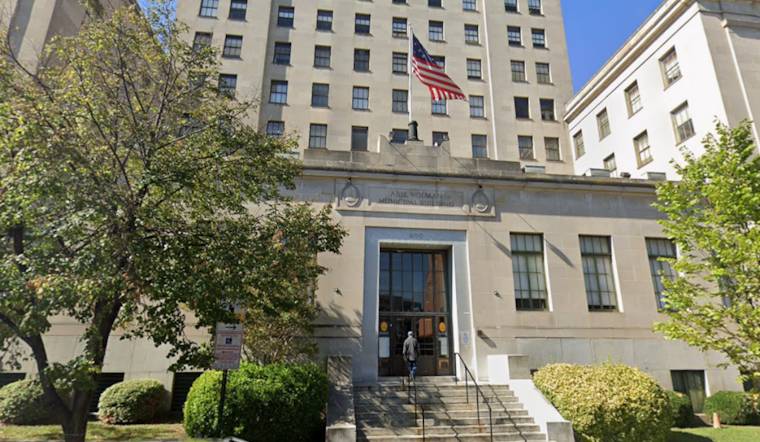
A former top official at Baltimore's Department of Public Works says she was shown the door for doing exactly what she was hired to do: call out discrimination and unsafe working conditions. In a federal lawsuit filed last Thursday, former equity director Linda L. Batts accuses the city of firing her in retaliation after she pushed internal complaints about racial discrimination, retaliation, and workplace hazards. The suit frames the problems inside DPW as systemic and asks a court and jury to award damages and halt what it describes as long‑running civil rights violations at the agency.
Batts says she joined DPW in July 2019 as the department's first director of equity and environmental justice, with a mandate to investigate employee concerns and help fix them. Instead, according to her complaint, managers repeatedly blocked her efforts and sidelined her work. The filing states that the Equal Employment Opportunity Commission concluded the evidence "establishes a violation of the Civil Rights Act of 1964" and issued Batts a right‑to‑sue notice, clearing the way for this case. According to the court filing, which is posted on Scribd, she was terminated in March 2021 after escalating those complaints.
Her attorney, Thiruvendran "Thiru" Vignarajah, has not been shy about describing the scope of the claims. He says the lawsuit exposes "systemic" problems at DPW, citing workers who allegedly described conditions as "akin to a pre‑Emancipation Proclamation, colonial plantation‑type environment." He also connects Batts’s internal warnings on safety to issues that predated the 2024 death of sanitation worker Ronald Silver II, arguing the department ignored red flags. CBS Baltimore reviewed the complaint and covered the news conference where Batts and her legal team laid out their case.
Allegations in the court filing
The complaint does not just speak in generalities. Batts alleges that women at some DPW facilities had no access to on‑site restrooms, that veteran sanitation workers were paid less than peers doing similar work, and that staff who spoke up about conditions were monitored, ostracized, or disciplined. She says managers routinely failed to conduct serious investigations into complaints and that internal avenues for redress were effectively blocked, creating a chilling effect that discouraged employees from coming forward. These allegations appear in a document posted on Scribd.
City response and union reaction
City Hall is not talking, at least not yet. A spokesperson for the mayor's office said the lawsuit is active litigation and that the administration will reserve comment for the courtroom rather than the press. On the labor side, union leaders have lined up behind Batts, saying her claims sound very familiar. AFSCME Local 44 leaders have publicly argued that the suit mirrors complaints they have been hearing from DPW workers for years. WCBM reported the mayor’s brief statement and the union's response when the case was announced.
Context: Heat death and inspector general findings
The lawsuit lands at a rough time for DPW. In August 2024, sanitation worker Ronald Silver II died on the job, prompting investigations by the city inspector general and state officials. Those reviews flagged failures in training, injury reporting, and protections for workers in intense heat. Independent inquiries and state labor citations found gaps in DPW's heat‑illness policies and inconsistent record‑keeping. Batts says she had raised similar concerns internally long before Silver's death. Much of that context comes from reporting by WYPR and from inspector general releases.
Legal claims and remedies
Batts’s complaint brings a battery of federal and state claims, including alleged violations of Title VII, the Age Discrimination in Employment Act, 42 U.S.C. § 1981, and Maryland’s Fair Employment Practices Act. She is seeking back pay and other lost wages, compensation for emotional distress, and declaratory relief that would formally spell out the city's obligations. The suit also demands a jury trial. CBS Baltimore reviewed the filing and summarized the remedies Batts is seeking.
What comes next
The case is now pending in the U.S. District Court in Maryland. The city will have a chance to answer the complaint or try to knock it out early with a motion to dismiss. If the suit survives those initial challenges, both sides will head into discovery, where internal records and employee testimony could become public. The lawsuit arrives as DPW is already under pressure for defending a delayed timetable on a federal sewage consent decree and for its handling of workplace reforms, a backdrop that local reporting says has fueled deep distrust among workers and community advocates. Baltimore Brew has tracked those broader operational battles at the department.





