

























































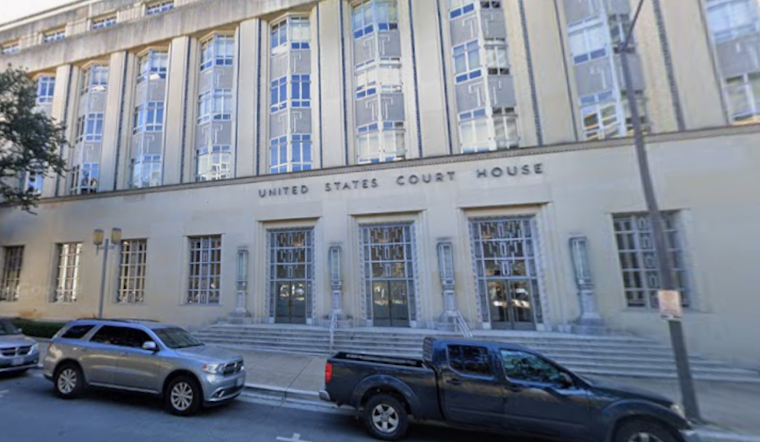
A federal jury trial tied to the July 4 attack at the Prairieland Detention Center in Alvarado is set to open next Tuesday in Fort Worth, and it will put encrypted chat logs and the presence of rifles at protests squarely under the microscope. Prosecutors say a so‑called "North Texas Antifa Cell" orchestrated a coordinated ambush that wounded an Alvarado police officer. Defense lawyers counter that their clients showed up for an immigrant‑solidarity noise demonstration that spiraled out of control.
Prosecutors' case: chats, 'gear checks' and guns
Federal prosecutors have charged nine people with counts that include providing material support for terrorism, attempted murder and discharging firearms in relation to a crime of violence. According to the U.S. Department of Justice, the government alleges that Benjamin Song recruited others, obtained multiple rifles and that members used Signal group chats along with in‑person "gear check" meetings to coordinate the July 4 action. Local reporting also describes investigators recovering AR‑style rifles, body armor and flyers near the detention center. Officials say the group used fireworks and vandalism to lure ICE staff outside the compound before shots were fired.
Pretrial testimony: chats, gear checks and forensic traces
At preliminary hearings, prosecutors leaned on FBI testimony and physical evidence to link the accused to the scene. FBI Special Agent Clark Wiethorn described weapons, tactical radios and Signal messages in court, according to KERA News, while The Associated Press has reported that roughly 11 shell casings and other items were seized by investigators. Defense attorneys argue that even taken together, those details do not establish an organized plot and say many defendants were not near the shooter when the gunfire started.
Defense: 'No plot, just protest'
Defense teams have pushed back hard, saying the record shows loose, last‑minute organizing and protected protest activity rather than a coordinated terrorist enterprise. As reported by The Intercept, pretrial filings include accounts that not all Signal chats contained talk of killing police. Family members and supporters say the government is stretching material‑support statutes beyond their intent. Coverage in The Guardian notes that legal experts warn the case could chill protest if courts embrace a broad reading of terrorism laws.
Legal stakes
The charges carry steep potential penalties, and the Justice Department has presented the indictment as the first in the country aimed at an alleged violent "Antifa" cell. The Department of Justice outlines the counts and possible sentences in its public filings, and local reporting indicates that several defendants have already taken plea deals and are scheduled for sentencing next month, according to The Dallas Morning News. Judges in the case will have to grapple with technical questions about coordination, intent and where to draw the line between protest and criminal conspiracy.
What to watch at trial
Prosecutors are expected to call cooperating witnesses, firearms and forensic experts and to show jurors selected Signal exchanges and surveillance footage. Defense lawyers are likely to highlight gaps in the government’s timeline and what they say is the ad‑hoc nature of the gathering. KERA News reports that the government plans testimony about weapons purchases and handling, and The Associated Press has detailed what investigators recovered at the scene. How jurors interpret encrypted messages and how much weight they give to coordinated clothing and radio gear could end up deciding the case.
Why the case matters beyond North Texas
Federal prosecutors and the White House have placed the Prairieland incident inside a broader push on domestic‑terrorism cases, a move civil‑liberties advocates say risks turning ordinary protest tactics into evidence of extremism. The ACLU and other critics warn that the litigation could set a precedent for treating protest coordination, including encrypted apps and group clothing, as proof of organized political violence. That concern is echoed in reporting by The Guardian.


