

























































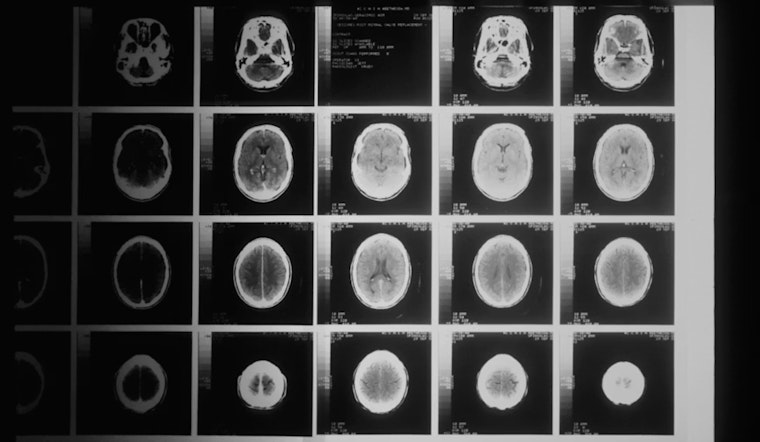
A Colorado neurologist is strapping medical-grade brain-sensor headphones and sleek consumer headbands onto patients, then letting artificial intelligence tell him how old their brains look compared to their bodies. Dr. Sean Pauzauskie, a UCHealth neurologist based in Fort Collins, says that tracking this "brain age" gap could help spot seizure risk, early dementia or stubborn "brain fog" before standard exams pick up trouble. The approach blends lab-quality EEG signals with algorithms trained on large datasets to detect aging patterns hidden in brainwaves.
As reported by CBS Colorado, Pauzauskie is testing a range of devices, from medical-grade EEG headphones to off-the-shelf headbands, to read brainwaves in real time and train AI models that could flag seizures and cognitive decline. "The more you can map out the function of the brain, the more you can change it," he told CBS Colorado. He also helped lead passage of Colorado's neural-data protections, according to the Colorado Medical Society.
How researchers turn brainwaves into an age
To get a "brain age," researchers train statistical models on EEG recordings so an algorithm can estimate how old someone is just from their brainwave patterns. The result can come out older or younger than a person’s actual age, which is where the red flags and optimism both start. A large open-access study in Imaging Neuroscience found that age prediction using low-cost mobile EEG collected during sleep and meditation is feasible, suggesting some consumer headbands are inching toward research-grade usefulness. InteraXon has also described plans for a brain-age feature and tools that let users watch how their readings change over time.
New privacy rules for neuronal data
Colorado lawmakers have tried to get out ahead of the brain-tech curve. HB24-1058 updated the state’s privacy act so that neural and biological data are explicitly defined as sensitive information, with the change taking effect in August 2024. The Colorado General Assembly notes that the law extends protections to data generated from measurements of the nervous system, including brainwave recordings. In Washington, Senate Democrats introduced the Management of Individuals’ Neural Data (MIND) Act, which would direct federal agencies to study how neural data should be governed and recommend national standards, according to Inside Privacy.
Medical community wants guardrails
Clinicians and ethicists are intrigued by brain-age metrics but are not eager to see them turned into the next flashy wellness gimmick without rules. In a commentary in JAMA Neurology, Pauzauskie and co-authors called for protections that keep patients safe while still allowing research and innovation to move forward. The Colorado Medical Society has also pointed to a recent American Medical Association policy shift as a sign that physicians want consistent, transparent rules for how neural data is collected and used.
What this means for you
For everyday consumers, the message is equal parts possibility and caution. If a brain-age test suggests your brain looks older than your birth certificate, Pauzauskie told CBS Colorado you might qualify for more tailored interventions, ranging from neurofeedback approaches to targeted lifestyle changes. But peer-reviewed research shows these estimates can swing based on which device you use, how the measurements are taken and what data the models were trained on. Experts therefore say the results should be treated as a nudge to seek clinical follow-up, not as a stand-alone diagnosis, according to the Imaging Neuroscience study.
Where this is headed
With state laws already in place and federal proposals on the table, researchers and advocates expect brain-data rules to spread while companies race to sell brain metrics directly to consumers. Pauzauskie says he is working on similar neurorights bills in other states, and the Neurorights Foundation is tracking how policy and research are evolving. For Coloradans, that likely means more tools to monitor how their thinking changes over time, along with sharper questions about who gets to see and control the data coming off those brainwave headsets.





