

























































Fort Worth patrol cars are getting a new piece of gear that is a lot more serious than a speed gun. Automated external defibrillators are being rolled into police vehicles citywide after one officer nearly died on duty and was brought back by colleagues using CPR and a defibrillator.
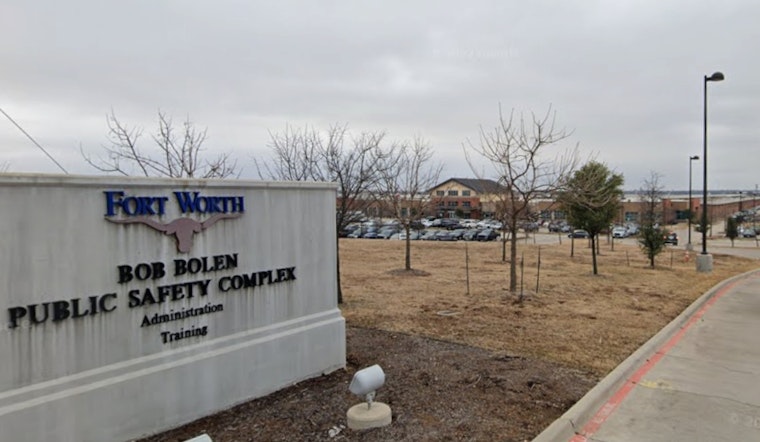
In May 2024, Officer Terrence Parker collapsed at the Bob Bolen Public Safety Complex and went into cardiac arrest. Colleagues jumped in with chest compressions and a wall-mounted defibrillator, and he survived. City officials and health advocates say putting AEDs directly into patrol units should cut the time it takes to start lifesaving treatment for cardiac arrest across Fort Worth.
As reported by CBS Texas, Parker was described as "clinically dead" for about 15 minutes before his coworkers restored a heartbeat. His survival quickly turned into a push inside the department to get portable AEDs into patrol cars. Parker told CBS that the close call convinced him to advocate for the devices, saying that if an AED had not been readily available, he would not be alive today.
Donation Funds Rollout
The plan to outfit vehicles is being funded in part by the American Heart Association. The City of Fort Worth's Northwest Division newsletter reports that the AHA will provide about $108,000 to buy AEDs for roughly 150 patrol cars. According to the newsletter, the effort pairs the purchase of the machines with officer training and is designed to put units on both day and night shifts to widen coverage across the city.
Fort Worth Police Department Public Information Officer Cynthia Wood told the newsletter that having AEDs in our patrol vehicles strengthens our ability to respond.
What The Science Shows
The American Heart Association notes that immediate CPR can double or even triple a cardiac arrest victim's chance of survival, and that AEDs can quickly restore a shockable rhythm. Advocates regularly cite that evidence when they call for more public access to defibrillators.
The AHA's Nation of Lifesavers initiative urges communities and organizations to expand AED access and training. Local volunteers leaned on that framework while working with Fort Worth police on the new rollout.
How One Rescue Changed Policy
Parker's collapse at the Bob Bolen complex in May, when officers used a wall-mounted defibrillator and delivered multiple shocks before he regained a pulse, was credited by doctors as critical to his recovery. That account comes from an earlier CBS Texas report.
According to that report, Parker woke up without any lasting side effects, and the Fort Worth City Council later recognized the officers who helped save his life.
Training And Outreach
The city says the AED rollout will come with mandatory training for officers on how to use the new devices, along with broader community CPR and AED sessions to build bystander readiness, according to the Northwest Division newsletter. The newsletter also points residents to free, hands-only CPR and AED introduction classes at Fort Worth libraries, and the library program page lists multiple February sessions.
Officials say the strategy is to combine more devices with more training, in order to shrink the gap between collapse and treatment for people in cardiac arrest throughout Fort Worth.
For residents, that should mean a better chance that someone nearby, including an arriving officer, will have both the skills and the tools to start treatment in the crucial first minutes of an emergency. City leaders and health partners say they plan to update the public as the equipment comes in and officers complete their training.





