

























































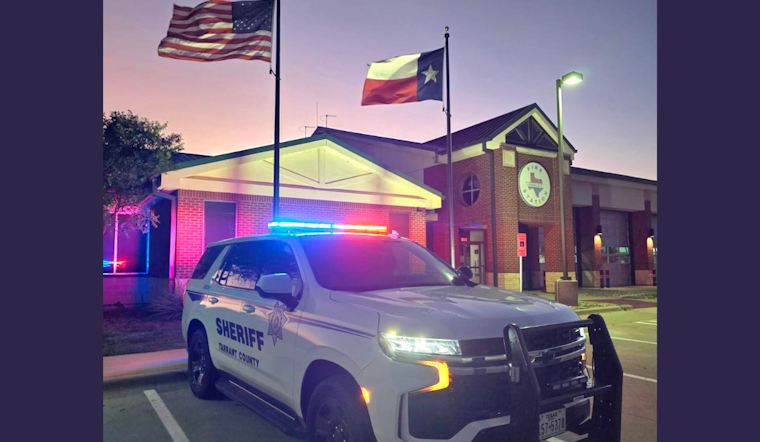
A federal jury in Fort Worth delivered a sharp rebuke to the Tarrant County Sheriff's Office yesterday, finding that the agency racially discriminated against a former deputy who reported misconduct and awarding him just over $600,000 in damages. The verdict capped a three-day trial where the ex-deputy represented himself and urged jurors to hold his former department accountable.
After about eight hours of deliberation, jurors concluded that the sheriff's office retaliated against Brandon Walker after he raised concerns about a colleague's behavior. As reported by the Fort Worth Star-Telegram, the award tops $600,000 and stems from Walker's claims that he was denied overtime, training, and advancement opportunities.
Background and Allegations
Walker worked in the department's narcotics unit from 2015 to 2017 and says he reported a fellow deputy's on-duty drug use, according to federal court records. After that complaint, he alleged he became the target of racial slurs, was subjected to a hostile work environment and was transferred from the Combined Narcotics Enforcement Team to the patrol division. Walker filed discrimination charges with the EEOC in 2018 and again in 2020, then sued the county in March 2024, according to Justia.
Convicted Colleague Adds Context
The colleague Walker named, Jay Rotter, was later criminally charged in the August 2020 death of his girlfriend and was convicted and sentenced to 30 years in 2023, according to reporting by KERA News. Rotter's prosecution and conviction have been widely covered in North Texas media and figure into Walker's account of what was happening inside the narcotics unit.
County Response
The Tarrant County Sheriff's Office told local outlets it would not provide further comment while litigation remained active and said it respects the judicial process but disagrees with the verdict, the Fort Worth Star-Telegram reports. The department did not outline any specific next steps.
Legal Context
Federal court filings show a magistrate judge narrowed the case in January, granting some summary judgment motions while leaving Walker's Title VII retaliation claims for the jury to decide. The January memorandum, available in the case docket on Justia, laid out the legal questions jurors were asked to resolve.
What This Could Mean Locally
The verdict lands as other legal actions by former Tarrant County deputies continue to put the sheriff's office under the microscope. In October 2024, CBS News Texas reported on several ex-deputies alleging misconduct or discrimination, a pattern critics argue should trigger serious policy review. With a federal jury now finding discrimination, local advocates and legal watchers will be paying close attention to whether the county changes course or opts to keep fighting in court.





