

























































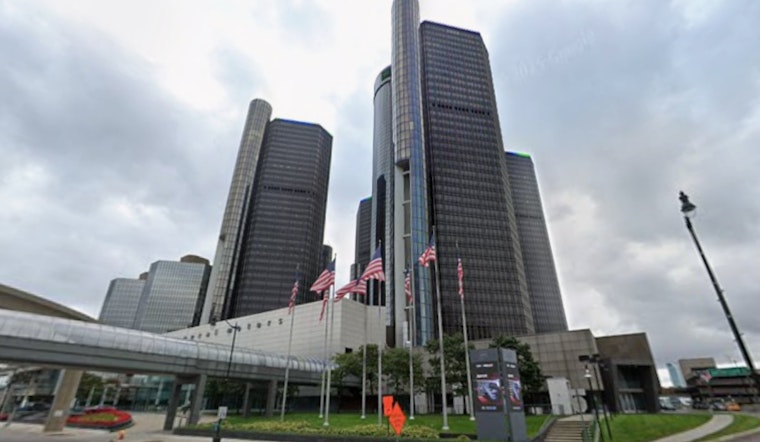
General Motors has kicked its supply base into high alert, racing this week to figure out whether the collapse of First Brands could choke the flow of parts into assembly plants and depots. The company pulled hundreds of suppliers into an urgent checkup on exposure across multiple tiers, a clear sign that automakers want answers before empty shelves show up on dealer lots. Local aftermarket distributors and service shops are already eyeing deliveries for any hint of strain.
According to Crain's Cleveland Business, GM’s global purchasing chief Shilpan Amin ran a Friday call described internally as “urgent,” pressing parts makers to pinpoint where First Brands products appear in their bills of material and to flag every single-source component. People on the call said buyers were told to assemble lists of affected SKUs and potential alternate suppliers within days so automakers could triage mitigation efforts. That kind of rapid supplier audit is meant to expose concentration risk before it turns into lost production.
GM told Reuters that none of its operations have been affected so far and that the company is monitoring the situation while working on contingency plans. Even so, industry executives say the episode highlights how fragile certain parts flows remain after pandemic-era shortages and a web of concentrated financing arrangements in the aftermarket.
Bankruptcy filings show lenders and customers have already stepped in to prop up short-term liquidity. A Texas court recently signed off on roughly $48 million in prepayments from automakers and other customers to keep parts moving while First Brands markets assets, according to Law360. The cash is meant as a bridge to keep key lines running, but it is small relative to the company’s disclosed liabilities and does not wipe away longer-term uncertainty for suppliers.
First Brands assembled a roster of well-known aftermarket labels, including TRICO wiper blades, FRAM filters, Raybestos brakes and Autolite spark plugs, and filed for Chapter 11 in late September after a refinancing effort fell apart, Bloomberg reported. Court declarations and restructuring filings later revealed complex receivables and inventory financing structures that left lenders and invoice purchasers staring at potentially heavy losses.
Legal fallout widens
The drama is not confined to the bankruptcy court. Federal prosecutors in Manhattan have unsealed an indictment charging First Brands founder Patrick James and his brother Edward with conspiracies to commit wire fraud, bank fraud and money laundering, according to a press release from the U.S. Attorney’s Office in the Southern District of New York. Hoodline previously covered the unsealing and the related guilty plea by a cooperating former executive as the case developed. The criminal exposure adds another layer of complication to negotiations over any rescue financing or asset sale.
What suppliers should do now
On the GM call, buyers were instructed to map multi-tier exposure and prepare contingency plans, and industry documents reviewed by reporters show automakers are increasingly inserting language about “supply-chain resiliency” into supplier contracts. That shift means suppliers able to show dual sourcing, on-hand inventory or quick rerouting capability will be better positioned if buyers start to rework agreements. Independent repair shops and regional distributors are being advised to watch the brake, wiper and filter categories closely, since First Brands carried heavy market share there.
Meanwhile, the bankruptcy docket is piling up with claims from lenders, vendors and lessors seeking payment or protection of collateral. Restructuring advisers say those fights will help determine how much of the business survives in one piece. For Cleveland-area employers and warehouses tied to the aftermarket, the immediate concern is strictly operational: whether parts will keep moving long enough for a buyer or a group of lenders to steady production.
For now GM says its plants are running and that contingency plans are in place, but the supplier call serves as a reminder that even mundane replacement parts can become pressure points in an industry that still remembers pandemic shutdowns all too well. Suppliers who received the marching orders are scrambling to turn lists into concrete action, and buyers are watching the next round of filings and court rulings to see whether the patchwork financing strategy actually holds.





