

























































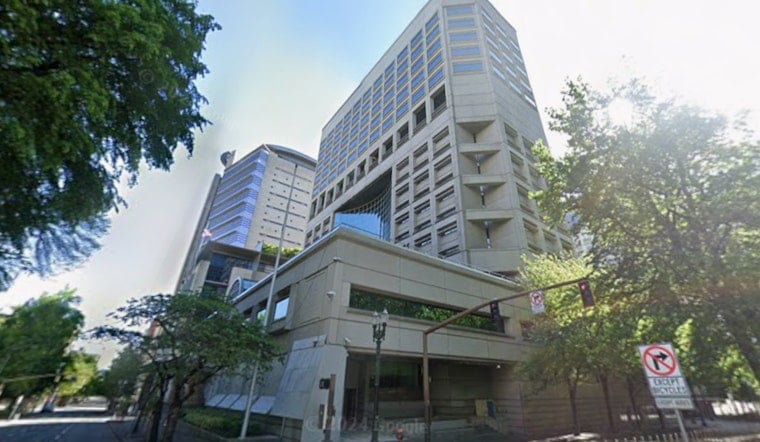
Multnomah County's jail system is straining under what a corrections grand jury bluntly labeled "systemic" problems, and not just the usual suspects of staffing gaps or leaking pipes. The seven-member panel said the core issue is a mismatch between how the jails were designed and the complicated needs of the people now cycling through custody. Jurors linked the strain on daily operations to failures in housing, behavioral health care and substance use treatment, and said county funding choices and political risk aversion have slowed any real fixes. Their report urges consolidating the county's two adult jails and building a transition center on a jail campus to help people reenter the community.
The 2025 Corrections Grand Jury report, compiled by the seven jurors, was posted this week by the Multnomah County District Attorney's Office. The office also published the sheriff's written response and the full report. On the DA's site, readers can see the jurors' recommendations alongside the sheriff's reply, including the evidence they reviewed and the fixes they propose for facilities, staffing and services.
According to OregonLive, jurors faulted the bureaucracy of county funding and political caution as major reasons the jails have not received long-term solutions. The report says facilities built for a different era are poorly suited to people arriving with severe mental illness, homelessness, and other complex needs. Those changes, the jurors wrote, have effectively turned the jail into a de facto behavioral health and housing system, but without the resources or design to support that role.
Design, Demand and a Failing Safety Net
Previous oversight efforts have landed in a similar place, pointing to aging infrastructure, chronic understaffing, and limited space as recurring problems. Willamette Week has documented maintenance backlogs at the downtown detention center, along with other signs of physical decline that complicate day-to-day operations. This year's jurors repeated those concerns and tied them more directly to countywide failures in housing and treatment systems that leave the jail holding the bag.
Sheriff's Response
Sheriff Nicole Morrisey O'Donnell responded in writing, agreeing with parts of the report, including the call for more staffing. At the same time, she emphasized that the sheriff's office is not responsible for serving as the default behavioral health or treatment provider for Multnomah County. In her response to the DA's office, she also pointed to the county's recently created deflection center and urged stronger support for it as a way to keep some people out of jail altogether. Her reply frames the panel's recommendations as shared problems that will require action across county agencies and outside service providers.
Funding and the Political Calculus
The grand jury highlighted county budgeting and political risk aversion as central obstacles, noting that the jail system depends heavily on discretionary county dollars. Multnomah County has already altered some plans, approving an amended jail emergency population release plan and reducing the number of funded beds. Officials have said those steps were driven in part by worries about capacity and safety. Commissioners, for their part, say that larger decisions about facilities and services will involve fiscal trade-offs and coordination among multiple agencies.
Sheriff's Office Plan
The Multnomah County Sheriff's Office says it will work with partners to respond to the grand jury's recommendations and pursue operational changes. On its corrections page, the office outlines a Corrections Recommendations Project that commits the agency to developing and implementing responses to recent audits and reports, including changes to staffing, facilities, and programs. The sheriff's office notes that its two adult jails are currently funded to house roughly 1,130 adults in custody, a number that drives decisions about staffing, medical coverage, and overall capacity.
What to Watch Next
Jurors pressed for specific next moves, including a feasibility study on consolidating the Multnomah County Detention Center and Inverness Jail, expanded staffing, and a staffed transition center on or near a jail campus to connect people leaving custody with housing and services. Local officials now face a choice between expensive capital projects and deeper investments in community-based care, and the grand jury said county funding practices and politics have slowed progress on both. The DA's public release and local coverage lay out the road map for those decisions, and officials in the DA's office, the sheriff's office, and on the county board now have to translate recommendations into budgets and timelines, as reported by OregonLive.



