

























































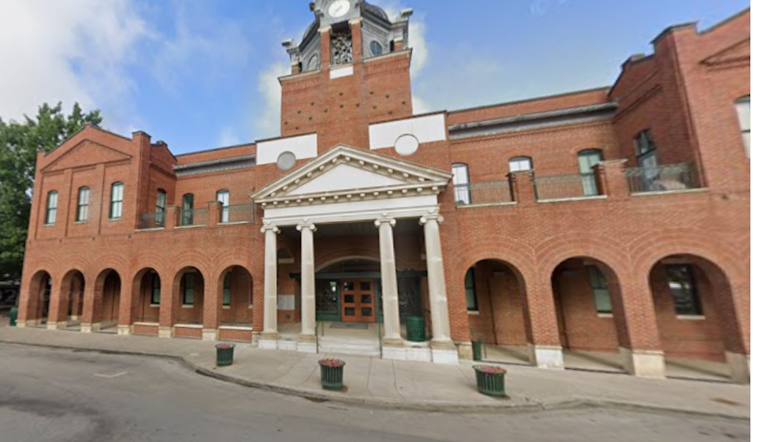
Grapevine’s political brass is lining up behind a long haul for the city’s crime tax, signaling they want voters to keep paying into the Crime Control and Prevention District for another two decades. At last Tuesday's council meeting, members told staff to pursue a 20-year extension that could land on the May 2 ballot.
How the tax actually works
The money comes out of Grapevine’s slice of the statewide sales tax. Texas charges 8.25% in sales tax; of that, Grapevine receives 2 percentage points, and a half-cent (0.5 percentage point) of the city’s share is dedicated to the Crime Control and Prevention District, according to the City of Grapevine. That local option revenue is kept in a separate pot from the general fund and pays for public safety programs and equipment.
Budget pressure and a growing gap
Staff told the council the district is staring down a shortfall as costs climb faster than income. Community Impact reported the district’s FY2025-26 expenses at about $25.97 million, with projected revenue around $23.21 million, leaving an estimated $2.76 million gap. Chief Financial Officer Jeffrey Strawn warned that volatile sales figures could “put a stress on everything that we do,” and council members argued that a longer renewal term would make long-range planning less of a guessing game.
What the money actually buys
The Crime Control and Prevention District operates under the Grapevine Police Department and pays for core operations such as uniformed patrol, criminal investigations, dispatch, and jail functions, according to the city’s FY26 budget documents. The budget materials describe the CCPD as the primary funding source for investigative and response units and outline its mission to provide a safe community for residents, businesses, and visitors.
Legal fine print and what is at stake
City reporting indicates that if voters reauthorize the district, the half-cent allocation would effectively be locked in for the chosen term unless state law changes, meaning that voter approval would dedicate that revenue stream to the CCPD for up to 20 years, Community Impact reported. Officials also noted that if voters say no, those sales tax dollars would not disappear but would instead flow into the city’s general fund instead of the crime district.
What happens next
The council is set to take up the item again at its Feb. 17 meeting, and the city’s election calendar flags the May 2 general election as the likely date for the ballot measure if the council signs off. The city’s election page lays out the timeline and candidate information tied to the May 2 election.





