

























































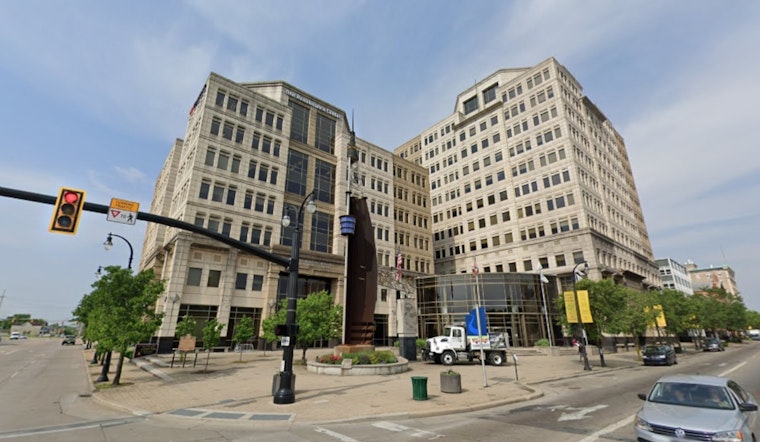
Hamilton County is taking its insulin fight to federal court, accusing a who’s who of drugmakers and pharmacy middlemen of rigging prices and bleeding local budgets dry.
In a racketeering lawsuit filed Tuesday, county leaders say major insulin manufacturers and pharmacy benefit managers have spent decades gaming the system to keep insulin expensive, driving up costs for county employees, their families and taxpayers. Officials unveiled the case at a morning news conference in Cincinnati and framed it as an effort to crack open a secretive pricing setup that has quietly reshaped public spending on health care.
What Hamilton County Says Happened
As reported by FOX19, the complaint targets insulin giants Eli Lilly, Novo Nordisk and Sanofi, along with pharmacy benefit managers and their affiliates including Cigna/Express Scripts, UnitedHealth/OptumRx and CVS Health/CVS Caremark.
The county accuses them of price manipulation and fraud going back to 2003. The alleged outcome: inflated insulin list prices that, the county says, were not an accident but a feature of a rebate-driven system that rewarded higher sticker prices.
Hamilton County is asking for compensatory and punitive damages, restitution, disgorgement of profits, civil penalties and court orders to change how insulin is priced and reimbursed. Officials say the case leans on both federal and state law, including the Racketeer Influenced and Corrupt Organizations Act, better known as RICO, along with consumer-protection statutes.
Why County Leaders Say They Stepped In
County officials say the stakes are personal and financial. Hamilton County is a self-insured local government that covers roughly 830,000 residents, and leaders argue that the county has been stuck footing inflated health care bills because of an opaque rebate system that rewards higher list prices, according to FOX19.
In a news release, the county blasted “skyrocketing insulin prices that have driven up costs for county employees, their families and taxpayers.” The complaint portrays the manufacturers and pharmacy benefit managers as part of an “enterprise-level” pattern that, in the county’s telling, fattened profits for both sides while public payers were left holding the bag.
Joining A National Insulin Showdown
Hamilton County’s suit is the latest in a growing wave of legal pressure on the insulin supply chain and pharmacy benefit managers.
Ohio Attorney General Dave Yost has already taken aim at PBMs with separate litigation focused on their business practices, per a news release from the Ohio Attorney General.
Beyond Ohio, states such as Oregon have filed multimillion-dollar cases against insulin manufacturers and PBMs over soaring prices, according to the Oregon Department of Justice. And at the federal level, the Federal Trade Commission sued the three largest PBMs in 2024, alleging that their rebate practices artificially drove up insulin prices. The FTC case has helped shape the playbook for state and local governments now wading into similar fights.
RICO Claims And What Comes Next
The Hamilton County complaint lists civil RICO, common-law fraud, civil conspiracy, unjust enrichment and consumer-protection violations among its claims. If a court finds that the county can prove the elements of civil RICO, that opens the door to treble damages and attorneys’ fees.
As explained by legal sources such as Cornell’s LII, RICO plaintiffs must show an enterprise and a pattern of qualifying predicate acts, and courts typically scrutinize those requirements closely.
Next up, the drugmakers and PBMs are expected to fire back with motions to dismiss or to pare down the claims. If the case survives those early attacks, it could move into a lengthy discovery phase that pulls back the curtain on how insulin prices are set behind the scenes.
For Hamilton County residents, the big questions are whether the lawsuit can claw back money spent on health benefits and whether it will force changes in how a life-sustaining drug is priced and paid for in the first place.



