

























































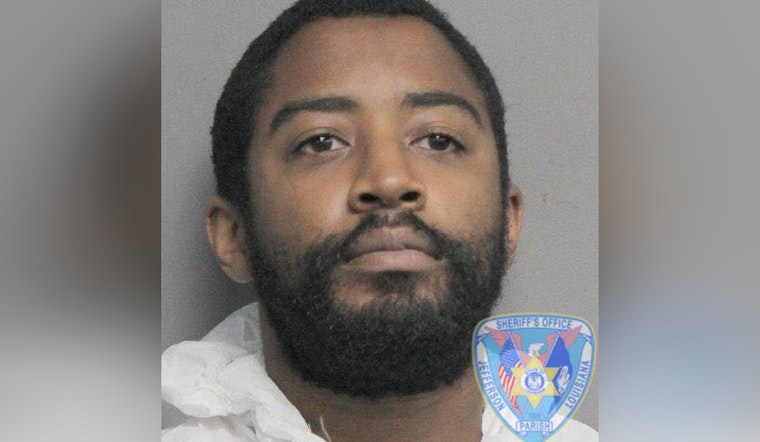
On Friday a Jefferson Parish judge found 29-year-old Brandon Jacobs not guilty by reason of insanity in the 2022 killing of Yolanda Dillion, a 54-year-old New Orleans Police Department fiscal analyst who was driving for Uber when she was attacked. The deadly encounter unfolded after Dillion dropped Jacobs at a Harvey motel, and deputies say the case became even more stomach-turning when investigators learned the suspect filmed parts of the aftermath. The ruling ends the criminal trial phase but opens a new court battle over whether Jacobs should be locked down in a treatment facility.
Judge Orders Dangerousness Hearing
Judge Lee Faulkner set a March 18 hearing in Jefferson Parish to determine whether Jacobs "poses a danger to himself or others" and what kind of treatment, if any, the court should order, according to WWLTV. Prosecutors told the court that Jacobs bought knives from a New Orleans store, requested the ride through the Uber app and livestreamed video from the scene on his phone, per WBRZ.
How Authorities Say It Unfolded
Jefferson Parish deputies say Dillion picked up Jacobs in New Orleans in December 2022 and drove him to the Travelodge at 2200 Westbank Expressway in Harvey, where he stabbed her from the backseat. She later died of multiple stab wounds to the neck, according to WDSU. Deputies arrested Jacobs at the hotel, and investigators say he told them he had woken up that day "wanting to kill somebody" and selected his victim at random through the app.
Competency, Psychiatry And The Court
Court records show Jacobs had previously been ruled incompetent to stand trial and spent more than a year at the East Louisiana State Hospital before being found competent again in 2024. Forensic experts testified that he was in severe psychosis at the time of the attack and could not tell right from wrong, as detailed by WWLTV. That testimony underpinned the judge’s decision to enter the not-guilty-by-reason-of-insanity verdict.
What Louisiana Law Requires
Under Louisiana procedure, a non-capital verdict of not guilty by reason of insanity triggers what is known as a "contradictory hearing" to decide whether the defendant is dangerous. If the court finds that the person is dangerous, it may commit that person to a state mental institution for custody, care and treatment, according to legal summaries and court decisions outlined on Justia. To keep someone confined, the state must prove by clear and convincing evidence that the person remains both mentally ill and dangerous.
Colleagues And Family Respond
Dillion spent more than a decade in the New Orleans Police Department's fiscal office, where colleagues remembered her as quiet, diligent and a "little giant," according to WDSU. Her killing sparked memorials and a community fundraising effort, gestures that friends and relatives have leaned on as they wait for the next round in court.
What Comes Next
At the March 18 hearing the court is expected to review psychiatric reports and expert testimony before deciding whether to order Jacobs committed to a treatment facility. If that happens, state law and routine practice point to facilities such as the Eastern Louisiana Mental Health System in Jackson as likely sites for custody and care, per the Louisiana Department of Health. If the court concludes that Jacobs is no longer dangerous, it could order his discharge or a conditional release, with decisions in insanity cases typically turning on a mix of clinical opinion and public-safety concerns.
The March 18 timetable leaves Dillion's family facing several more weeks of uncertainty as the court weighs risk and treatment needs. Officials say they will be back in court that day, where the ruling could either keep Jacobs confined for long-term psychiatric care or clear the way for a tightly controlled release if the judge finds that he no longer poses a threat.





