

























































Hawai‘i's Senate Commerce and Consumer Protection Committee has nudged Senate Bill 3000 one step closer to law, voting 3-1 on Wednesday to advance a proposal that would let the state and certain insurers go after major fossil-fuel companies in court for climate-related costs, including those tied to the August 2023 Lahaina wildfires. Supporters frame the bill as a lifeline for a shaky insurance market where premiums are jumping and policies are disappearing, while industry groups warn it could open the floodgates to sweeping new legal exposure.
What SB3000 Would Allow
According to the bill text posted on LegiScan, SB3000 would authorize the attorney general to bring a civil action in the name of the people as parens patriae and would also let the Hawaii Property Insurance Association, the Hawaii Hurricane Relief Fund and private insurers sue responsible parties for climate-attributable harm. The measure spells out recoverable harms, including higher premiums, fortification and mitigation costs, insurer withdrawals, and the halt of new residential policies, and it allows courts to order restitution, disgorgement of profits, court costs and attorneys' fees. The bill's findings say those harms have destabilized Hawai‘i's insurance market and link that instability to what lawmakers describe as historic deception by major fossil-fuel companies.
Why Lawmakers Say It's Needed
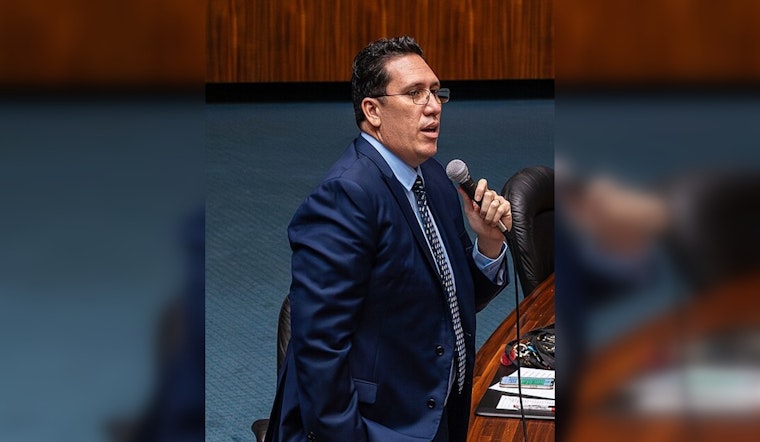
Backers contend SB3000 is a direct response to an insurance crunch that followed the Lahaina fires and other recent extreme events, arguing that any recovered money could help backstop state safety nets. Sen. Jarrett Keohokalole, who introduced the bill, told the Guardian, "Without a doubt, the increasing incidence of really devastating natural disaster events is what’s driving the insurance crisis," and said residents should not be stuck paying for risk mitigation on their own. Supporters say the added authority could help keep coverage both available and affordable by giving the state and insurers another route to recover disaster costs.
Supporters And Opponents
Environmental groups including the Sierra Club of Hawaiʻi and 350Hawaii filed written testimony in support, arguing that passage would position the islands as leaders in confronting climate-driven harms. Industry trade groups lined up on the other side. The American Petroleum Institute told lawmakers the bill would effectively create a new liability regime that unfairly targets a single sector and could threaten fuel supplies and future investment, as reported by Maui Now. The clash tracks a now-familiar national standoff between climate accountability advocates and defenders of the energy industry.
Legal Backdrop And Related Litigation
SB3000 lands on a legal landscape where climate litigation is already well underway. Local governments in Hawaiʻi and elsewhere have filed suits seeking climate damages from fossil-fuel companies. According to the Center for Climate Integrity, Maui County brought a case in October 2020, and the Ninth Circuit later affirmed sending that case back to state court, while the state of Hawaiʻi filed a similar lawsuit in May 2025. Those parallel tracks at the county, city, state and insurer levels create multiple potential avenues for recovery and make the exact mechanics of SB3000 strategically important.
What Comes Next
With the committee's recommendation in hand, SB3000 now heads toward the full Senate for further readings, amendments and debate. Local reporting notes that the Department of the Attorney General has raised questions about how some provisions would work on the ground, and the bill gives the attorney general a role in reviewing settlements in order to limit duplicative recovery. Lawmakers say the next few weeks will determine whether Hawaiʻi adopts the new enforcement framework outright or whether industry pushback and legal concerns end up narrowing its reach.
Legal Implications
As outlined by LegiScan, SB3000 would allow recovery of costs and losses tied to climate-attributable harm and authorize remedies that include restitution and disgorgement. The current draft sets a two-year window to file actions after a qualifying climate disaster and instructs courts to reduce restitution awards by amounts already reimbursed to insurers, an attempt to avoid double recovery. Those drafting choices, including the use of disgorgement, the relatively short filing period and a broad definition of "responsible party," are likely to shape litigation strategy as well as constitutional and preemption challenges if the bill moves forward.
Whether SB3000 ultimately becomes law, and how courts would interpret any future lawsuits if it does, is still an open question. What is clear is that Hawaiʻi lawmakers are trying to shift more of the climate recovery tab from residents, insurers and taxpayers to major polluters, and other states exploring similar approaches are watching the measure's path through the Senate and the courts very closely.





