

























































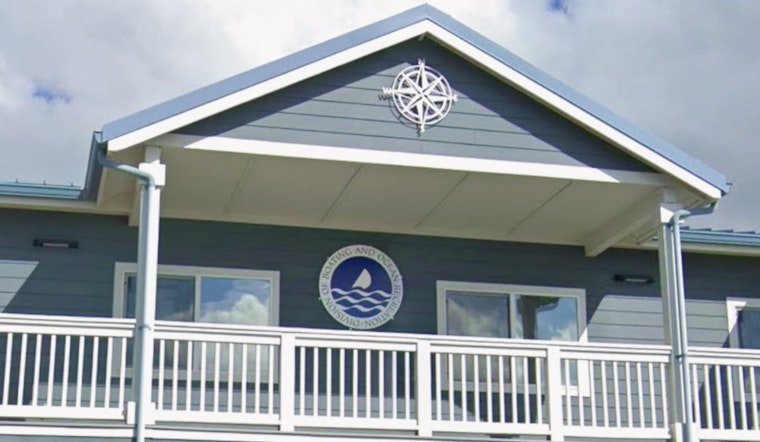
Hawaii’s boating officials are still unable to say whether a 2019 insurance mandate for larger vessels is actually saving taxpayers money, according to a new report from the state auditor. The problem is not the law itself, the report says, but the fact that the state’s harbor managers are not reliably tracking what they spend to haul away wrecked boats or what they recover from boat owners.
The Division of Boating and Ocean Recreation, or DOBOR, “did not know the net amount it incurred to remove and salvage vessels,” the auditor wrote, citing gaps in basic accounting and weak follow-up on bills sent to boat owners. The Office of the Auditor report, identified as Audit Report No. 26-05, also said DOBOR’s efforts to recoup costs from responsible parties have been “almost nonexistent.”
What the Law Requires
The 2019 law, codified as Justia, generally requires owners of vessels 26 feet or longer to carry salvage and removal insurance that meets a minimum coverage threshold, commonly set at $100,000 per occurrence. The law was meant to ensure that when a big boat ends up grounded, sunk or abandoned, the public is not left paying the entire cleanup bill.
The statute also allows the Board of Land and Natural Resources to create exemptions and adopt rules that spell out how the mandate is enforced. On paper, it is a tidy solution; in practice, the audit suggests the state still cannot show whether the requirement is working as intended.
Examples Show the Stakes
The costs at issue are not theoretical. In February 2023, the luxury yacht Nakoa slammed into a fragile reef in Honolua Bay, drawing public outrage and a complicated, multi-day removal effort. The owner told officials he would cover roughly $500,000 in salvage expenses.
Those kinds of numbers helped fuel support for the 2019 law. As Honolulu Civil Beat has reported, the Department of Land and Natural Resources has said the state has recorded hundreds of grounded, sunk or abandoned vessels since 2002 and spent about $2.3 million removing 91 uninsured boats. That history formed part of the backdrop as lawmakers pushed to make salvage coverage mandatory for larger vessels.
DLNR Pushes Back
Acting DLNR chair Ryan Kanakaole has disputed some of the audit’s characterizations, calling the findings “partially accurate.” He said DOBOR does track removal costs and outstanding balances, although not always in a way that lines up neatly with what the auditor wanted to see.
Kanakaole also told Honolulu Civil Beat that the division’s accounting system is outdated and cannot easily produce the detailed reconciliations requested in the audit. He disagreed with the suggestion that DOBOR has done little to pursue reimbursements from boat owners, arguing that staff do attempt to collect but are working with clunky tools and limited resources.
Auditor’s Recommendations
The auditor’s office did not mince words about what needs to change. The report urges DOBOR to create and document clear policies and procedures for billing and collecting amounts owed after a vessel is removed or salvaged.
The Office of the Auditor also recommends that DOBOR verify and uniformly document the required insurance for covered vessels, rather than treating it as a box-checking exercise, and consult insurance experts to confirm that the mandated coverage actually matches the real-world risks and potential costs.
On top of that, the report calls for a corrective action plan so that DOBOR can show whether the insurance mandate is protecting the Boating Special Fund, the pot of money that ultimately absorbs the cost when owners do not pay.
For boat owners and harbor managers, the takeaway is blunt: a statute on the books is not proof of protection unless the state can show it is verifying coverage and collecting what it is owed. Lawmakers and DLNR now have to decide whether to tighten those verification and collection tools or keep leaving taxpayers, and Hawaii’s shorelines, exposed when vessels are left behind.





