

























































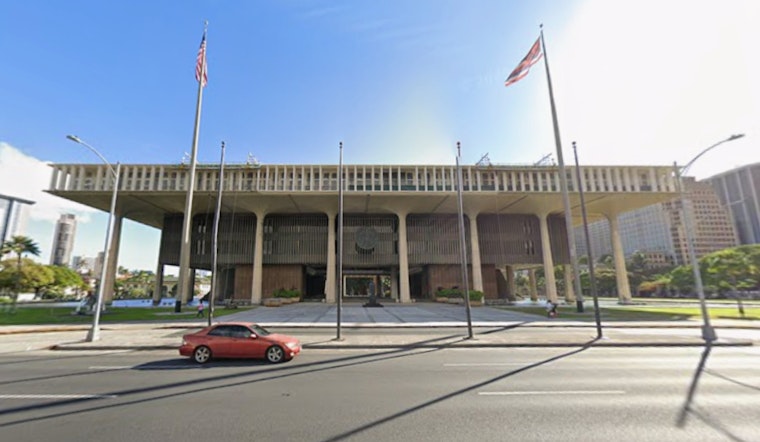
Hawaii lawmakers are advancing two bills, SB 2471 and SB 2829, aimed at limiting how much state-created entities can spend to influence voters in local politics. The measures, which recently passed the Senate Commerce and Consumer Protection Committee and now move to the Senate Judiciary Committee, are designed to reduce the role of corporate money in elections. Supporters argue the bills would help ensure that political power in Hawaii remains primarily in the hands of voters rather than corporate interests.
Commerce and Consumer Protection Chair Jarrett Keohokalole announced the votes and cast the effort as a fundamental reset of who gets a say in elections. "Corporations are not people, and do not enjoy the inherent right to influence our elections," he said, according to Maui Now. The outlet reports that the committee took public testimony on Tuesday, approved both measures with amendments, and sent them on to Judiciary. Lawmakers backing the bills argue they are trying to protect the full political rights of natural persons while narrowing the role that corporations and other state-created entities can play in campaigns.
What the bills would do
SB 2471 is written to make clear that when the state grants corporate powers, that authority has never included permission to spend money or contribute anything of value to sway elections or ballot questions. SB 2829, meanwhile, would restate that corporations and other artificial entities only have the powers necessary to conduct their lawful business, charitable, or organizational work, according to Maui Now. Senate Judiciary Chair Karl Rhoads told reporters that the state "has every right to limit the vast amounts of corporate money that pour into our political system." Taken together, backers say the two bills are designed to pull Hawaii's democracy back toward individual voices and away from institutional spending.
Legal context
The move from Honolulu plugs directly into the long-running national fight over corporate personhood and political cash. In 2010, the U.S. Supreme Court's Citizens United decision wiped out many federal limits on independent political spending by corporations and other groups, a shift that legal analysts say helped fuel a surge in outside money and super PAC activity, according to a Congressional Research Service primer posted at Congress.gov. Because of that precedent, aggressive state-level efforts to wall off corporate money from elections can trigger complicated legal battles over how far states may go under the First Amendment.
Where this fits in Hawaii politics
Hawaii officials have not exactly been shy about their skepticism of corporate election spending. Lawmakers and several county councils have previously approved resolutions calling for tighter limits on corporate political cash and urging a constitutional amendment to overturn Citizens United, according to United For The People. Supporters of SB 2471 and SB 2829 point to that track record as evidence that residents remain wary of outside money in local races. Testimony at the recent committee hearings came from a mix of civic organizations and individual community members, all weighing the stakes of cutting back corporate political activity.
What's next
The two measures now land in the hands of the Senate Judiciary Committee, which can revise the language again, call more public hearings, or decide whether to send either bill to the full Senate. If lawmakers ultimately pass restrictions along the lines now proposed, court challenges are widely expected, setting up a potential test of how Hawaii's definition of corporate powers meshes with federal constitutional doctrine. For now, the advance of SB 2471 and SB 2829 has put the issue of corporate political clout squarely back in the middle of the legislative session.





