

























































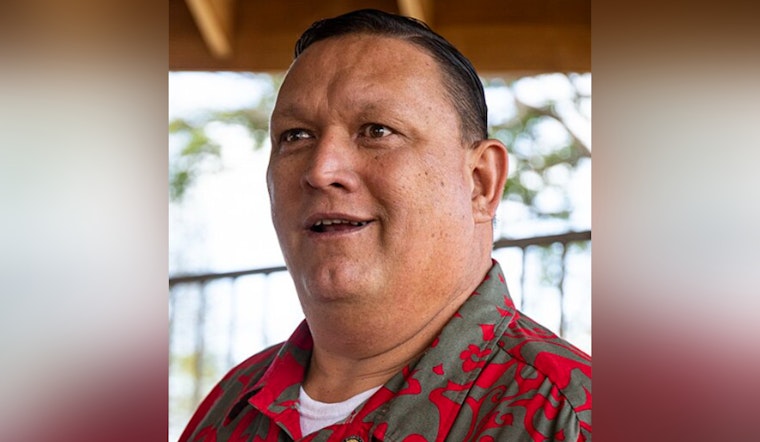
State Sen. Kurt Fevella is putting his own weight-loss journey at the center of a health policy debate as he pushes SB 3195, a bill that would require Hawaii’s Department of Human Services to cover FDA-approved GLP-1 drugs for weight loss under Medicaid and Medicare Part D. Fevella, who takes Mounjaro for diabetes and says he has lost about 80 pounds, presents the measure as a response to rising obesity rates. The proposal has sparked discussion about how effective the drugs are, how much they cost, and whether Hawaii’s budget can afford the expanded coverage.
What SB 3195 would change
Under SB 3195, DHS would scrap Hawaii's current exclusion on GLP-1 drugs used to treat obesity and extend coverage to Medicaid and Medicare Part D beneficiaries. The bill includes an appropriation to pay for the benefit and orders both immediate and permanent rulemaking, as laid out in LegiScan. It also says prior authorization should not be required for eligible patients and lays out deadlines for adopting temporary and final rules. Sponsors from both parties have signed on, and the text points to the federal provision that currently lets states decide whether to cover weight-loss drugs for adults on Medicaid.
At a state capitol news appearance, Fevella said he takes Mounjaro, a GLP-1 he was prescribed for diabetes, and told reporters he has lost about 80 pounds. He told KITV that his insurer covers weekly injections that cost him roughly $75 a month, while non-diabetic patients often face about $100 per shot, or around $400 a month for four injections. The Department of Health figures Fevella cited, showing that more than half of Hawaii adults have a BMI above a healthy range and that over a quarter are obese, are central to sponsors' argument that the bill could broaden access for thousands of Medicaid enrollees.
Coverage Is Patchy Nationwide
Across the country, states and insurers are all over the map on GLP-1 coverage. Federal Medicaid rules let states exclude adult obesity drugs, and many programs are wrestling with what it would mean to suddenly cover high-cost prescriptions that are in sky-high demand. A Kaiser Family Foundation review highlights this patchwork of state policies and notes that concerns over cost and rapidly growing utilization have driven many of those decisions. That uneven landscape is part of why advocates in Hawaii are pushing for a statutory guarantee instead of leaving coverage to individual plan choices or narrow prior-authorization exceptions.
Drugs, approvals and sticker shock
The drugs at the center of the debate include brands such as Ozempic and Wegovy (both semaglutide) and tirzepatide products. Some versions are approved specifically for weight management, while others are labeled only for diabetes, a regulatory nuance that can determine whether an insurer pays. Eli Lilly's announcement of Zepbound's approval for chronic weight management underscores how the same active ingredient can show up under different labels, and reporting on list prices has put monthly costs near four figures. Those price tags are a key part of what lawmakers are weighing as they look at the potential hit to the state budget. For reporting on approval context and pricing, see Eli Lilly and coverage in CNBC.
Next steps in the Legislature
SB 3195, introduced by Fevella, has been referred to the Senate Health and Human Services and Ways and Means committees. Sponsors will have to walk colleagues through testimony and fiscal analysis before lawmakers decide whether to advance the bill. The text directs DHS to start temporary rulemaking by Aug. 1, 2026 and sets a July 1, 2026 effective date for the coverage change if the measure becomes law. For the full text and the legislative record on SB 3195, see LegiScan.





.jpg)