

























































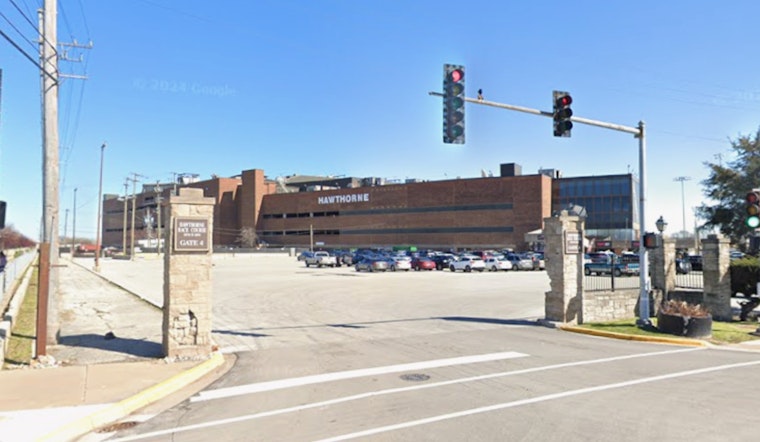
Hawthorne Race Course, the 134-year-old Stickney track that has anchored Chicago-area horse racing for generations, filed for Chapter 11 bankruptcy on Friday, Feb. 27, 2026. The family-run operation says the move is meant to restructure debt, attract new investment and protect jobs, but the filing leaves horse owners, trainers and hundreds of workers staring down weeks of uncertainty.
Tim Carey, the track’s president and CEO, called the reorganization “the right thing to do for the Illinois horsemen and for our employees and for their families,” and said the plan will prioritize paying accrued purses and preserving roughly 250 track jobs, according to reporting. The track told reporters it is working with financial adviser Getzler Henrich & Associates and intends to ask the court for debtor-in-possession financing so it can keep the lights on while it looks for a buyer or recapitalization partner. The filing and Carey’s statement were first detailed by the Chicago Sun-Times.
License Trouble and Bounced Checks
State regulators moved earlier this year to suspend Hawthorne’s harness license after horsemen said multiple checks had bounced and several race weekends were canceled while the track untangled a frozen bank account. Industry reporting and testimony at the Illinois Racing Board show more than 60 owners documenting roughly $580,000 in returned payments, leaving trainers and small stables scrambling to cover feed and payroll. Those banking problems and the canceled cards helped set the stage for the bankruptcy filing, as reported by the Paulick Report and other industry outlets.
Racino Promise That Never Came
Hawthorne won the right under Illinois’ 2019 gambling expansion law to add casino games at the track, a racino that owners argued would finally shore up purses and stabilize the sport. Instead, the buildout has been delayed for years while the track searched for financing and a development partner. The same 2019 law gave Hawthorne veto power over other nearby racino proposals within a 35-mile radius, a provision that horsemen and some south-suburban leaders have blasted as the industry has continued to decline, according to reporting by WTTW.
For now, the track’s calendar still lists March 29 as opening day for the spring thoroughbred meet, although that date is suddenly very much in doubt. The current schedule is posted on the track’s site, Hawthorne Race Course.
Buyers, Court Bids, and Immediate Fallout
In its Chapter 11 paperwork, Hawthorne says there is substantial interest from potential buyers and recapitalization partners in the chance to finally build out the long-promised racino. The track plans to use the process to both restructure debt and bring in fresh capital.
The filing also reveals that Hawthorne’s sports-wagering partner pulled its online and mobile betting platform amid the financial turmoil, a move officials say cut into already thin revenue streams. Those details, along with the track’s plan to seek debtor-in-possession financing, are laid out in the Chapter 11 petition and in local coverage reviewed by the Chicago Sun-Times.
How Chapter 11 Could Play Out
Chapter 11 is designed to let a business keep operating while it stays in possession of its assets and works out a plan to repay creditors. Key moves, including any emergency financing, have to be approved by a bankruptcy judge.
Debtor-in-possession loans must be authorized by the court, and creditors can file claims or object to any reorganization plan. Judges then weigh those objections, the proposed financing and any competing bids for the company. For a plain-language overview of how the reorganization process works and the court approvals that will shape Hawthorne’s case, see the guide from U.S. Courts.
What Horsemen and Locals Are Watching
For horsemen, the immediate priorities are simple and urgent: getting purse money into accounts and getting clear answers from regulators about whether the spring meet can go forward. Racing groups have already warned at board meetings that missed payments are squeezing small trainers and grooms who live month to month.
On the bankruptcy docket, watch for the first-day motions, any request for debtor-in-possession financing and follow-up hearings at the Illinois Racing Board. Those filings and meetings will determine whether Hawthorne can actually run races on March 29 and how quickly owners, employees and backstretch workers can be made whole. Recent industry coverage and the track’s own calendar provide the clearest public record as the case winds through court and regulatory review, and Thoroughbred Daily News and Hawthorne Race Course have the latest schedules and meeting reports.





