

























































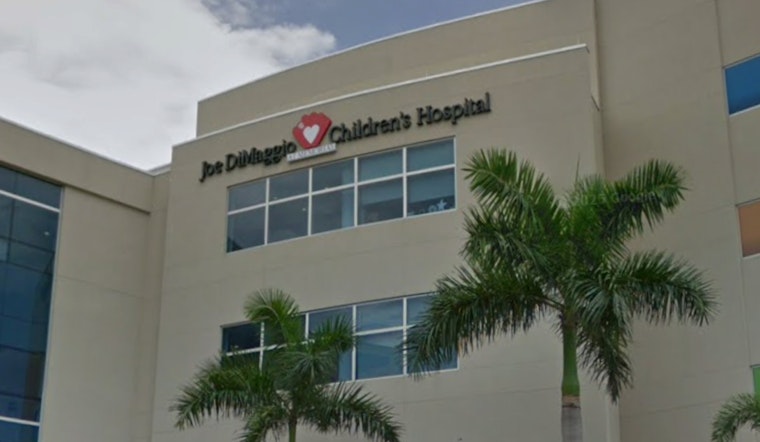
Ten-year-old Chloe Comess is back on the dance floor just months after a life‑saving heart transplant, and her comeback is helping reshape care for some of South Florida’s sickest kids. Born with hypoplastic left heart syndrome, Chloe endured a series of open‑heart surgeries before finally receiving a transplant in September. She then spent more than eight weeks recovering at Joe DiMaggio Children’s Hospital. Now she’s sprinting down hospital hallways, logging time on the treadmill and taking cautious steps back into dance while clinicians fine‑tune her rehab.
Her recovery has helped spur the hospital to launch a new Fontan Fitness Clinic next month, designed for children with Fontan physiology and single‑ventricle hearts. The program aims to streamline care and provide exercise‑based support for kids waiting for transplant, as reported by Local 10. Dr. Laura D’Addese, a pediatric cardiologist who treats heart failure and transplant patients, told the outlet that carefully coordinated pre‑ and post‑operative services could be “life‑changing” for families juggling multiple subspecialty appointments and co‑pays. The clinic is being set up as a single stop where families can see cardiology, nephrology, gastroenterology and other specialists in one day instead of making repeated trips.
One clinic, many specialists
Joe DiMaggio Children’s Hospital runs one of South Florida’s most active pediatric heart transplant programs and leans heavily on multidisciplinary care, as outlined by Joe DiMaggio Children’s Hospital. The transplant program, launched in 2010, brings together cardiologists, cardiac surgeons, intensivists and a range of pediatric subspecialists to manage children before, during and after transplantation. Hospital leaders say concentrating services in one place cuts down on repeated clinic visits and gives the care team a more complete clinical snapshot in a single session.
From half a heart to a new chapter
Chloe’s family says her fight started almost immediately. She was born with hypoplastic left heart syndrome (HLHS) and had her first open‑heart surgery at just four days old, followed by two more operations that culminated in a Fontan palliation, they told Local 10. By age nine, her progress had plateaued, and she was listed for a transplant. Chloe received her new heart in September and then spent more than eight weeks recovering in the hospital before transitioning into rehab. Her father says she “went from 50% energy to 150%,” and the family is now channeling that surge into getting her back into full‑time dance classes.
Why coordinated Fontan care matters
The Fontan circulation is a palliative repair that leaves patients relying on passive blood flow to the lungs and can set the stage for multi‑organ complications over time, which is why specialists push for tightly coordinated follow‑up. Research on patients with late‑failing Fontan physiology shows rising rates of circulatory failure with age, climbing to an estimated 7% by age 20 and about 38% by age 40, underscoring the need for close monitoring and early intervention, according to a review in JTCVS Open. Programs that blend exercise physiology with multidisciplinary specialty clinics are built to catch decline sooner and reduce time families spend in the hospital.
For families in Broward County and across South Florida, the new clinic is pitched as a practical way to manage complex follow‑up and keep kids moving while they wait for or recover from transplant. As outlined by Joe DiMaggio Children’s Hospital, its transplant program pairs intensive clinical care with family resources and long‑term follow‑up so kids can “focus again on being a kid.” The Fontan Fitness Clinic is being framed as an extension of that model. Chloe’s journey, from early surgeries to a successful transplant and a triumphant return to the dance floor, is exactly the kind of outcome hospital officials hope will become more common.





