

























































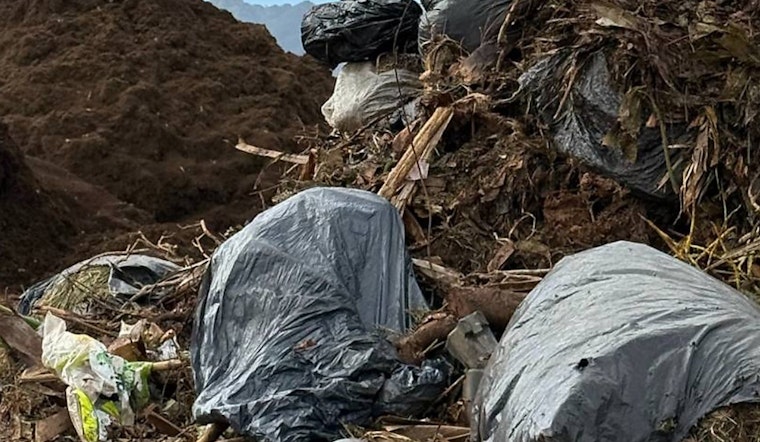
Starting April 1, some Oʻahu households will be turning their kitchen scraps into future soil instead of future trash. On selected curbside routes, residents will be allowed to toss food waste into their green compost carts as part of the City and County of Honolulu’s new G.R.O.W. pilot. The program, short for Green Recycling Organic Waste, pairs curbside collection with composting to keep food out of H‑POWER and the landfill while producing usable soil amendment. City officials say the trial will focus on automated three-cart routes and will roll out with plenty of outreach so residents know what belongs in the cart and what does not. For now, only a handful of neighborhoods are in the mix before any talk of going islandwide.
Pilot neighborhoods and timeline
The pilot is set to launch April 1 in Waipahu, Nānākuli, Hawaiʻi Kai, Mililani, Kailua and Kalihi, covering homes that already receive automated curbside service, according to Spectrum News. City officials say the test period will help them measure contamination rates, compost facility capacity and how many residents actually participate before they consider broader changes. Households in the pilot areas are slated to get mailed guides and FAQs that spell out collection days and tips for handling smelly scraps.
What belongs in the green cart
The city notes that food scraps account for about 60,000 tons of garbage on Oʻahu each year, and G.R.O.W. guidance lays out exactly what can go into the green compost cart. Fruits, vegetables, dairy, bread, rice, meat, bones, eggshells and loose coffee grounds are all on the “yes” list. On the “no” side, the rules explicitly ban liquids, takeout containers, pizza boxes and so-called manufactured compostable materials, meaning items labeled compostable or biodegradable that local composting systems cannot actually process. The department provides downloadable collection guides and flyers for pilot participants on its G.R.O.W. page.
Is it required?
For households, this is a test run, not a hard mandate. City spokespeople told the Honolulu Star-Advertiser that the pilot is optional for residents on the listed routes when it begins. Families can opt in, and officials are openly hoping participation is high enough to make the program pencil out. Separately, the city already requires certain large food businesses and institutions to separate and recycle food waste under existing local rules, so the obligations are stricter for some commercial generators than for the average household.
Why the city is doing this
Officials are framing landfill space and emissions as the main reasons for the shift. Tens of thousands of tons of Oʻahu food scraps currently end up at H‑POWER or in the landfill each year, and composting diverts material that would otherwise generate methane while also producing soil amendment. Local reporting that summarizes the department’s materials puts residential food-scrap generation at roughly 60,000 tons annually and encourages residents to separate scraps for composting, which the pilot is designed to capture. City leaders say they want to use this test phase to see how bad contamination gets, how much it costs and how the community responds before attempting anything bigger.
How to make it work at home
The marching orders for households are pretty simple: no plastics, no liquids and no bags, even if the bags call themselves compostable. Both local coverage and city outreach have emphasized that food scraps need to go into the green cart loose. Outreach materials suggest keeping a small sealed container in the fridge or freezer for daily scraps, then emptying it into the green cart the night before pickup. Layering food waste with yard trimmings can also help keep odors and pests in check. Residents in the pilot areas are encouraged to watch for mailed instructions and to attend any informational sessions the city schedules so they are clear on pickup days and allowable items.
Enforcement and what to expect
On the commercial side, the department already enforces recycling and disposal rules. Inspectors visually assess truckloads and can deny access to city disposal facilities if banned or restricted materials show up. Under city ordinances, hotels, large restaurants, food manufacturers and certain hospitals have to arrange separate food-waste collection, according to the department’s business-ordinances guidance. Companies, not individual truck drivers, are held responsible for compliance, and violations can lead to penalties. With the G.R.O.W. pilot, the city will be watching to see whether local composting capacity and collection systems can be scaled up without sending contamination or costs through the roof.
Pilot participants should receive a mailer with step-by-step instructions, and the city has set up a hotline and email for questions: (808) 768‑3200 and [email protected]. For now, G.R.O.W. is a modest first step aimed at keeping food out of the burn pile and turning kitchen waste into something that helps Hawaiʻi’s soils recover. The short version for anyone in the pilot: keep food loose in the cart, skip the plastic and keep an eye on your mailbox for the fine print.





