

























































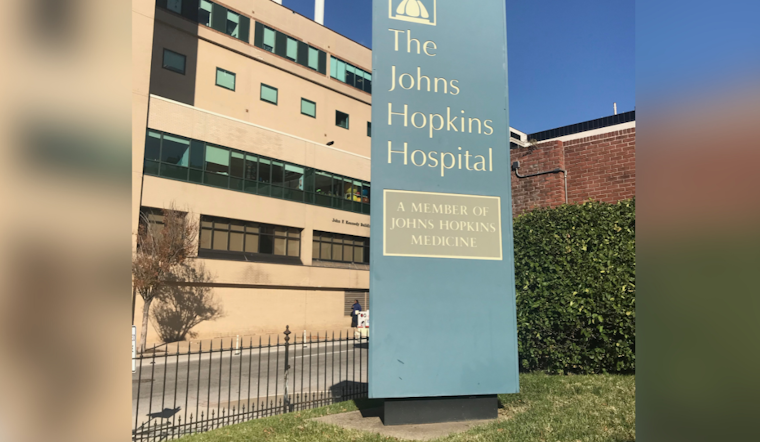
Maryland regulators and lawmakers are scrambling to protect patients from getting caught in the middle when hospital-insurer deals collapse, like the high-profile breakdown last year between Johns Hopkins and UnitedHealthcare. Senate Bill 521 would tighten the rules around how and when contracts can end, require more advance notice, and give many patients automatic short-term protections, including 90-day continuity of care and a special enrollment window for people who buy their own coverage. The bill is set for a Senate Finance Committee hearing on Wednesday, March 4, at 1 p.m. in Annapolis.
What the bill would require
Under Senate Bill 521, carriers and health systems would have to give each other at least 90 days of written notice before terminating or declining to renew a contract. Insurers would also have to alert regular patients at least 30 days before a contract ends, and they would have to keep honoring the old contract terms for at least 90 days after termination.
The proposal would automatically open a special enrollment period for people in the individual market whose treating provider is removed from their plan’s network, giving them a chance to switch coverage instead of losing access mid-treatment. It also arms the Insurance Commissioner with clearer authority to demand updated network access plans and to levy penalties when carriers fall short. The bill text and a full synopsis are posted by the Maryland General Assembly.
Regulator's view
Maryland Insurance Commissioner Marie Grant has framed the measure as a direct response to the lessons learned from the Johns Hopkins-UnitedHealthcare standoff and the scramble that followed. The goal, she said, is to make sure patients have enough time and clear information to secure ongoing care instead of being blindsided.
"This bill is absolutely, I think all the tools in the toolbox we wish we had, legally, after the Johns Hopkins-United dispute," Grant told reporters. Her comments were reported by WMAR-2 News.
The fallout that prompted the push
Roughly 60,000 UnitedHealthcare members lost in-network access to Johns Hopkins providers when negotiations fell apart, suddenly turning routine appointments into out-of-network visits. Many patients had to scramble to find new doctors, repeat prior-authorization requests, or brace for higher out-of-pocket costs.
State regulators say the wave of rescheduled appointments, renewed paperwork, and, in some cases, treatment denials spotlighted just how fragile patients’ coverage can feel when big contracts fall apart, and there are no clear transition rules. The scope and timing of the disruption were detailed by the Washington Post.
How federal rules fit in
SB 521’s automatic 90-day protections mirror a federal expectation that certain “continuing care” patients get transitional coverage for up to 90 days after a provider’s network status changes. That continuity-of-care safeguard is set out in Section 113 of the No Surprises Act, codified at 42 U.S.C. § 300gg-113.
Legal details and enforcement
The bill would authorize the Insurance Commissioner to review insurers’ network access plans, order corrective action when access falls short, and impose fines for late or incomplete updates. That includes a potential $5,000-per-day penalty for failing to file updated access plans on time, with only narrow exceptions when both contracting parties agree in writing.
Notices to affected enrollees would also have to spell things out more clearly, including contact information and step-by-step instructions on how to request transitional care if their provider is leaving the network. The statutory language and enforcement provisions are laid out in the bill text and synopsis available through the Maryland General Assembly.
Next steps and resources for patients
Patients who were caught in the Johns Hopkins-UnitedHealthcare split, or who have questions about current or future coverage, can reach out to the Maryland Insurance Administration’s Health Coverage Assistance Team for help with plan details, appeals, and enrollment choices. The MIA posts consumer resources and contact information on its website, and advocates say the March 4 hearing will be a key chance for residents to share their stories and weigh in on the bill. For direct help, they point people to the MIA’s consumer contacts page.





,_Baltimore,_MD_21205_(49027010891).jpg)