

























































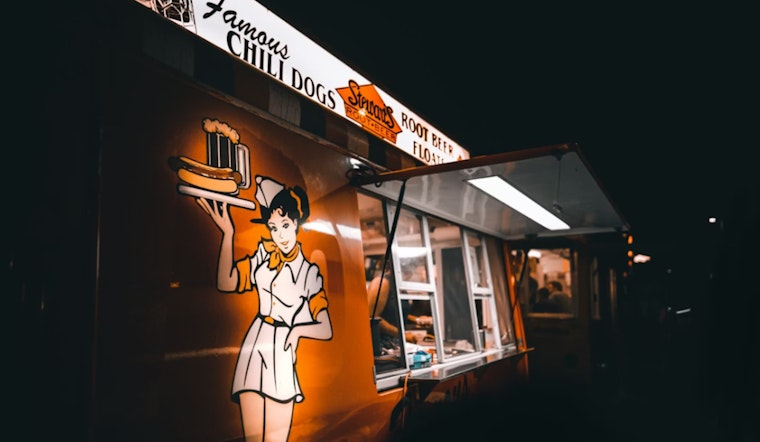
Everett could soon turn that cheap sidewalk taco or late-night hot dog into a legal headache. The City Council is weighing a new ordinance that would make operating an unpermitted food stand a misdemeanor and allow police to seize carts, tents and equipment. A final vote is set for Feb. 11. City officials and licensed vendors say the proposal responds to a surge in roadside vending that they argue undercuts regulated businesses and creates real food-safety risks.
What the ordinance would do
According to KOMO News, the draft ordinance would make it a crime to run a food stand without both a city business license and county health permits, giving officers the option to fine or arrest operators and confiscate their gear. It also lists where vendors are not allowed to set up, including near bus stops and loading zones or anywhere they would block city utilities, and it was introduced last month. City staff say the proposal is aimed at unpermitted tents and pop-up stalls, not at licensed food trucks or farmers market vendors.
Penalties, complaints and exemptions
The Snohomish County Health Department has seen complaints about unpermitted roadside vendors spike from 16 in 2022 to 32 in 2024 and then to 203 in 2025, a jump supporters call both a public-health concern and a fairness issue, according to HeraldNet. Under the draft, workers could face fines of up to $1,000 and as much as 90 days in jail, while employers could see fines up to $5,000 and up to 364 days in jail. The ordinance carves out exemptions for government agencies, nonprofits, farmers selling produce and vendors at farmers markets, and it specifically keeps lemonade stands out of the crosshairs.
Why health officials are alarmed
The Snohomish County Health Department's notices on unpermitted food service show inspectors routinely finding stands without refrigeration, hand-washing stations or proper wastewater disposal. Those are exactly the conditions that let bacteria flourish and spread illnesses such as Salmonella, E. coli and norovirus, according to the Snohomish County Health Department. The agency keeps a running list of recent closures and says the pop-up nature of these vendors makes standard cease-and-desist orders tough to enforce, since tents often just reopen somewhere else. Public-health staff also warn that the number of reported foodborne illnesses likely understates how many people are actually getting sick from unsafe roadside food.
Licensed vendors and local businesses
Permitted food-truck operators say they are losing customers to competitors who skip the fees and inspections. "They’ll pay nothing and still make the money," said food-truck owner Carlos Cerrato, describing how an unpermitted tent can draw a crowd while trucks that did everything by the book watch business walk away, as reported by HeraldNet. Small business owners argue tougher rules would protect both public health and the livelihoods of vendors who invested in commissaries, permits and regular inspections.
Enforcement questions and next steps
City officials told KOMO News they plan to focus on education and warnings before moving to fines or arrests, even though the draft does not require a warning first. Some councilmembers have voiced concern that criminal penalties could fall hardest on low-wage workers who may already be exploited or trafficked, while supporters counter that the city has few other tools to deal with repeat violators. With a final vote expected on Feb. 11, the proposal is headed into public testimony and could eventually face legal challenges.
How to spot a permitted vendor
Customers can look for posted permits or a QR code that links to recent inspection reports. Snohomish County requires permitted mobile food units to display credentials or provide them on request and publishes recent closures and advisories online. The county also urges anyone who thinks they got sick from roadside food to report it so investigators can track patterns and step in when needed.
As Everett's council heads toward next week's decision, the ordinance forces a local choice: crack down harder in the name of health and fairness for permitted businesses, or find new ways to bring informal sellers into the licensed system. Other Puget Sound cities wrestling with the same blend of food culture, affordability and safety will be watching what Everett does next.





