

























































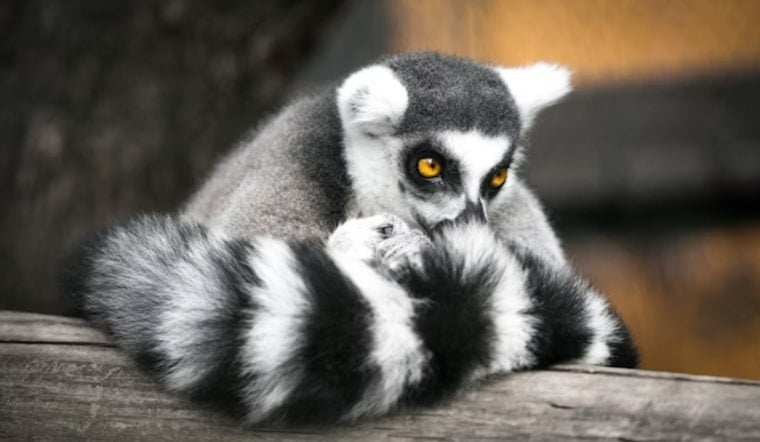
Federal prosecutors say a Houston man has been indicted on charges that he turned endangered primates into a roughly $10,000 side gig, allegedly selling lemurs and spider monkeys across state lines and smuggling some of the animals into the United States.
According to CourtListener, a federal grand jury in the Southern District of Texas returned an indictment charging Justin Treadwell with three counts: two counts of selling wildlife in violation of federal law and one count of smuggling goods into the United States. Prosecutors allege he sold three ring-tailed lemurs for $6,000 and two Mexican spider monkeys for $4,000, and that at least some of the primates were smuggled into the country in 2023.
The charging document says the lemur sale occurred on March 28, 2024, and that the spider monkey transactions stretched from August 2023 through March 2024. The case is docketed as Case No. 4:26-cr-00088. The indictment also includes a notice of forfeiture, stating that prosecutors may seek money judgments and the forfeiture of proceeds traceable to the alleged crimes.
As reported by the Houston Chronicle, a conviction on the smuggling count could carry up to 20 years in prison and a $250,000 fine, while each of the wildlife-sale counts carries a potential sentence of up to five years. The Chronicle also notes that Treadwell was not in custody as of Thursday and that no defense attorney was listed on the docket.
Border trafficking surge
Federal wildlife officials have warned that the alleged conduct in this case is part of a larger problem: a growing trade in baby spider monkeys smuggled across the U.S.-Mexico border. Dozens of the primates have been confiscated at ports of entry in recent years, according to CBS News.
Conservationists say poachers often kill adult monkeys to capture infants, and that rescued animals frequently require intensive, long-term care that only a limited number of facilities are equipped to provide.
Texas rules and local context
Texas state law treats certain wild animals as “dangerous” and applies a patchwork of rules to nonhuman primates. While there are narrow exceptions, cities and counties can impose stricter local controls, which means ownership rules vary widely across the state. The basic framework is laid out in the Texas Health & Safety Code.
Animal welfare advocates have pushed for tighter limits. Groups such as the Texas Humane Legislation Network have urged federal action aimed at curbing private primate ownership and the interstate trade that fuels it.
What happens next
An indictment is only a formal allegation, not proof of guilt, and Treadwell is presumed innocent unless and until prosecutors prove the charges beyond a reasonable doubt. The case will proceed through the federal court system for arraignment and further hearings.
The CourtListener filing also notifies defendants that prosecutors may seek forfeiture of any proceeds and substitute assets if there is a conviction.
Hoodline previously covered a related 2025 case in which a Houston-area man was sentenced for smuggling Mexican spider monkeys, underscoring an ongoing federal crackdown on primate trafficking; see sentenced for smuggling Mexican spider monkeys. Court records show the indictment in Treadwell's case was returned this week and that the matter remains pending in federal court.





