

























































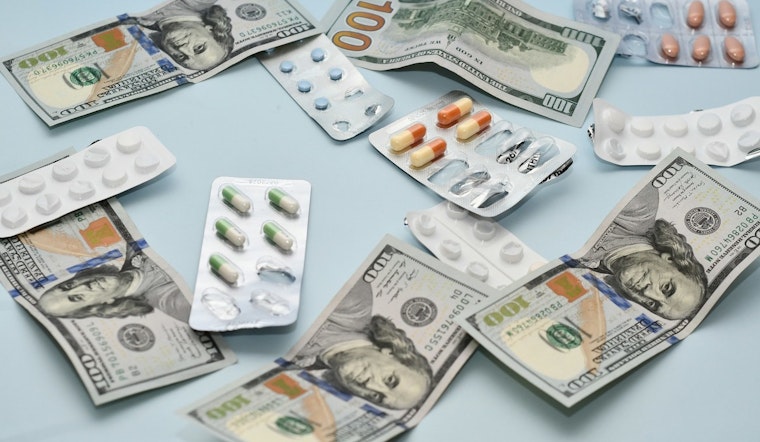
Illinois has quietly taken a sledgehammer to medical bills, wiping more than $1.1 billion in debt for over 500,000 residents across all 102 counties. State officials say the relief averages about $1,200 per person and includes several six-figure cancellations, with roughly $5 million in program funds still on hand to buy up and erase more eligible debt portfolios. Leaders are touting the milestone as part of a broader push to ease financial strain ahead of upcoming budget negotiations.
In a press release from Gov. Pritzker's office, the state said the Medical Debt Relief Program, created in late 2024 and administered by the Illinois Department of Healthcare and Family Services, uses a partnership with national nonprofit Undue Medical Debt to buy bundled hospital and secondary-market accounts and then forgive qualifying balances. The release reported roughly $100 in erased debt for every $1 of state funding and noted that relief has reached residents in urban, suburban and rural communities. Officials added that the remaining funds will go toward acquiring additional, uncollectable portfolios.
How the program works
According to the Illinois Department of Healthcare and Family Services, eligible Illinoisans do not have to fill out forms or jump through hoops. HFS and Undue Medical Debt analyze provider debt portfolios behind the scenes and then notify residents by mail when their balances are cleared. Households qualify if their income is at or below 400% of the federal poverty level, or if their medical debts equal at least 5% of annual household income.
Cook County set the template
Cook County’s ARPA-funded Medical Debt Relief Initiative, launched in 2022, has erased roughly $664–665 million in medical debt for more than 550,000 residents, a success the state cited when designing the new statewide program, as reported by WBEZ. Hoodline also chronicled the county milestone and its focus on Chicago’s South and West sides. Advocates say the county model shows how modest public investments can unlock large amounts of relief and help people reengage with needed medical care.
What officials say and what's next
“No one should be forced to choose between life-saving care and feeding their families,” Gov. Pritzker said in the release announcing the statewide milestone. The administration noted that the timing of the announcement coincides with the governor’s preparations for his State of the State address and proposed budget. Leaders at Undue Medical Debt said the results so far highlight the potential of debt-purchase programs to immediately ease household financial strain and expand access to care. State officials added that they intend to keep seeking partnerships with hospitals and physician groups to broaden the reach of the relief.




