

























































After a long cool-down, deal activity in Indianapolis finally warmed up last year, marking the metro's first annual increase in transactions since 2021. The comeback was driven largely by industrial and office properties, while retail and multifamily trades tapped the brakes.
According to CoStar, easing interest rate volatility, better liquidity and more predictable lending terms helped pry loose capital that had been sitting on the sidelines. That shift, CoStar's analysis shows, interrupted a multi-year slide in investment sales across the Indianapolis area that followed the post-pandemic surge in activity.
Logistics Leads The Rebound
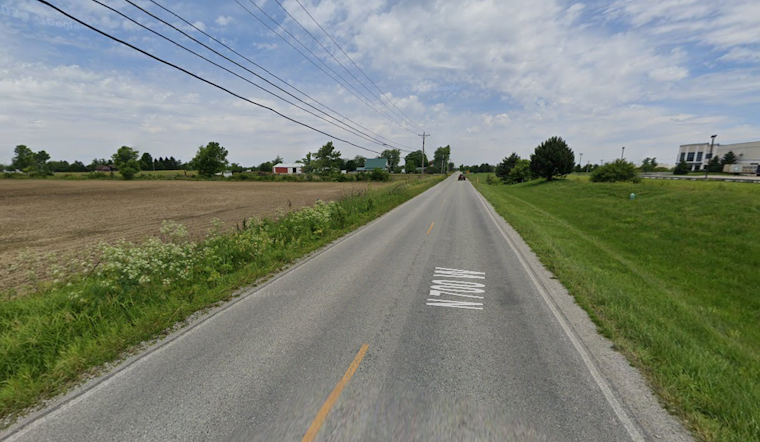
Big-box industrial was the star of the show, especially along the Mt. Comfort and I-70 corridor. LoopNet lists I-70 Logistics Park Building 1 as an approximately 805,000-square-foot distribution facility at 3052 N 700 W in Greenfield, a good example of the kind of scale that keeps institutional buyers zeroed in on last-mile and regional logistics hubs.
Who Bought What
CoStar's reporting notes that Exeter purchased Building 1 at I-70 Logistics Park last November, one of the larger industrial trades that closed in late 2025. CoStar found that industrial and office transactions powered the year-over-year increase, while retail and multifamily deals pulled back across the metro.
Money And The Market
The timing lined up with broader financial easing. The Federal Reserve cut policy rates in December 2025, helping calm rate swings and loosen funding conditions for some lenders. Reuters covered the Fed move, while local research painted a more nuanced picture on the ground: multifamily fundamentals largely held steady even as deals thinned out. In its Q1 2025 report, Colliers noted continued rent growth and investor interest in apartments despite the slower pace of trades.
Deal Flow And What It Means
Smaller owner-occupied office properties and locally brokered closings helped keep the pipeline from drying up entirely. Marcus & Millichap arranged the sale of a 24,362-square-foot office building on 86th Street late last year, underscoring that there is still appetite for well-located smaller offices. Market platforms such as Crexi show industrial listings and portfolio trades continuing to change hands through 2025, a signal that selective buyers remain in the hunt even if capital stays choosy.
For Indianapolis, the early rebound suggests investors have not written the market off. Instead, money has migrated toward the property types and submarkets that feel most reliable. If borrowing costs remain more predictable and liquidity holds, brokers say the city could see more of the targeted, higher-quality deals that nudged transaction counts back into positive territory last year.





